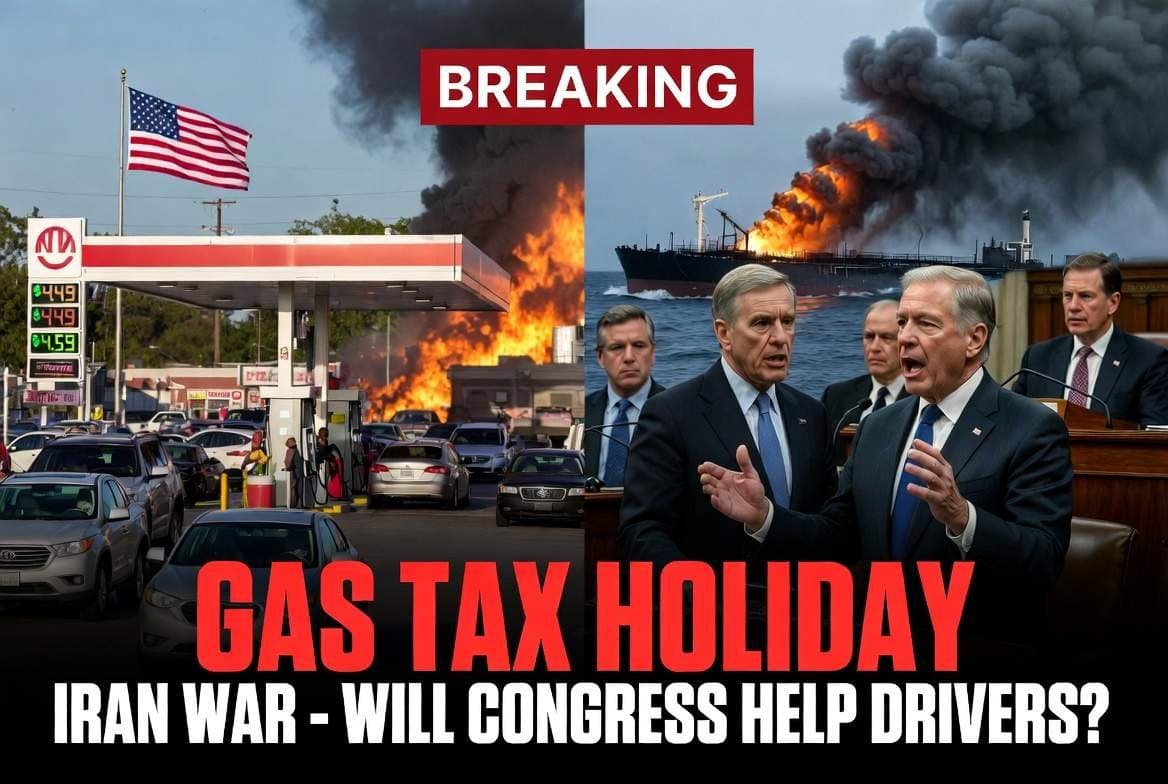
As the Iran war and Strait of Hormuz closure push national gas prices near $4 and higher, lawmakers from both parties call for a federal and state gas tax holiday. Will Trump and Congress deliver relief to American drivers, or will families keep paying the price for the conflict?
Across America, drivers are staring at pump prices climbing toward $4 a gallon nationally — and in some regions even higher — as the ongoing war with Iran and the effective closure of the Strait of Hormuz continue to disrupt global oil supplies.
The national average for regular unleaded gasoline now sits near $3.96–$3.98, up nearly $1.00 since late February when U.S.-Israeli strikes on Iran began. Diesel has surged even harder, pushing close to $5 in many markets. With roughly 20% of the world’s oil and significant LNG shipments normally flowing through the narrow Strait of Hormuz, Iran’s blockade has created one of the largest supply shocks in recent history.
Now, as the pain spreads to every commute, grocery run, and family road trip, lawmakers on both sides of the aisle are rushing to propose a gas tax holiday — a temporary suspension of the federal 18.4 cents-per-gallon excise tax (plus state-level taxes in many places) to give drivers immediate relief.
Since the conflict escalated at the end of February, oil prices spiked sharply, briefly approaching $120 per barrel before settling in the $100 range. Tanker traffic through the Strait has been severely restricted due to threats, mines, and attacks, choking off supplies from the Persian Gulf.
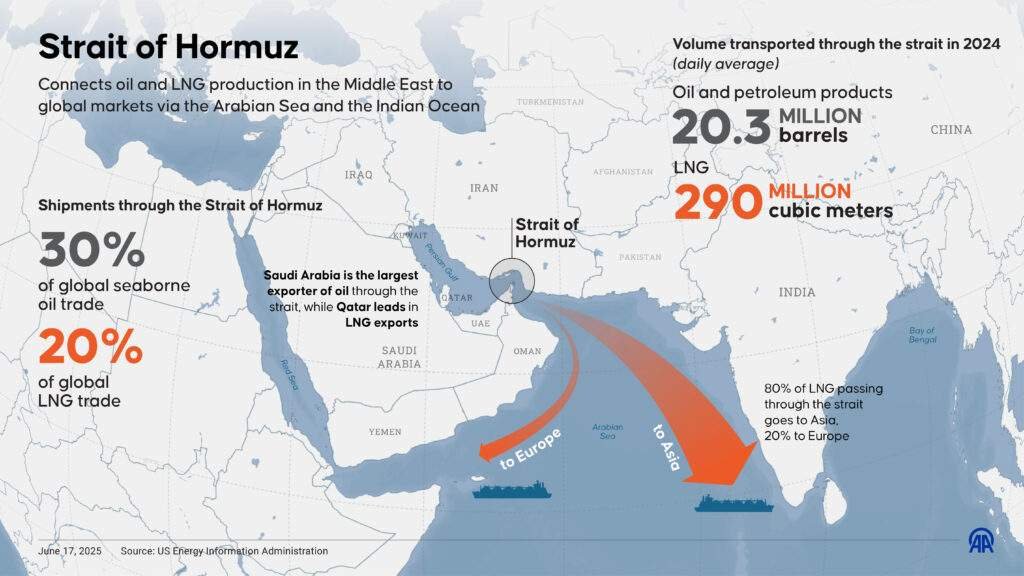
Analysts warn that if the strait remains largely closed into April or beyond, national gas averages could easily push past $4.50 and even test $5 in some areas. The ripple effects are already visible: higher shipping costs for goods, rising fertilizer prices that will hit food costs later this year, and jet fuel surcharges affecting air travel.
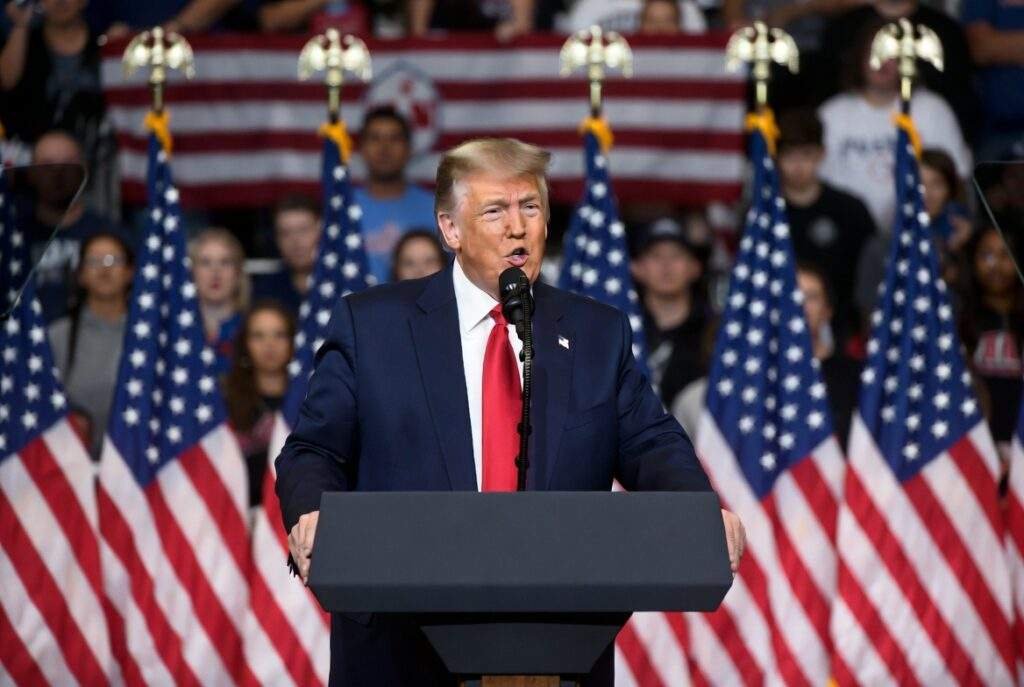
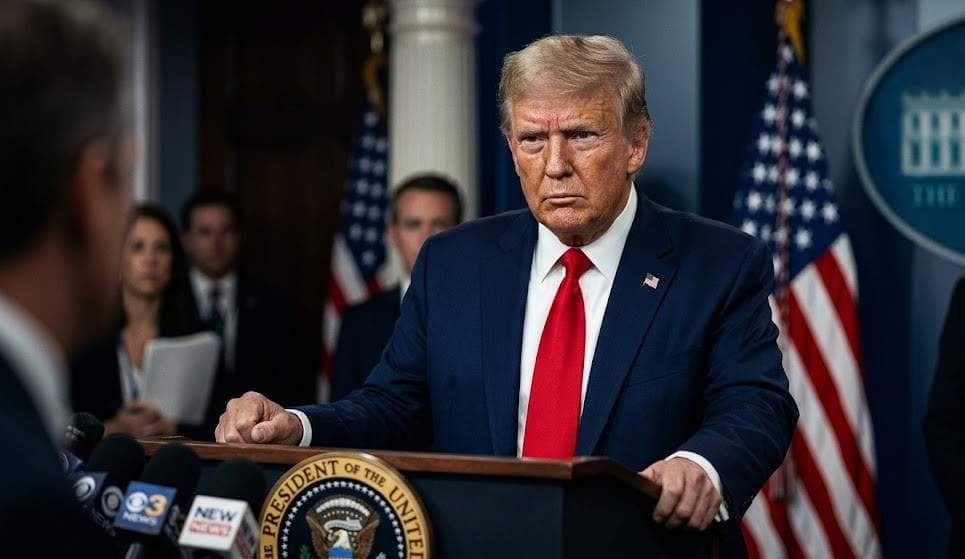
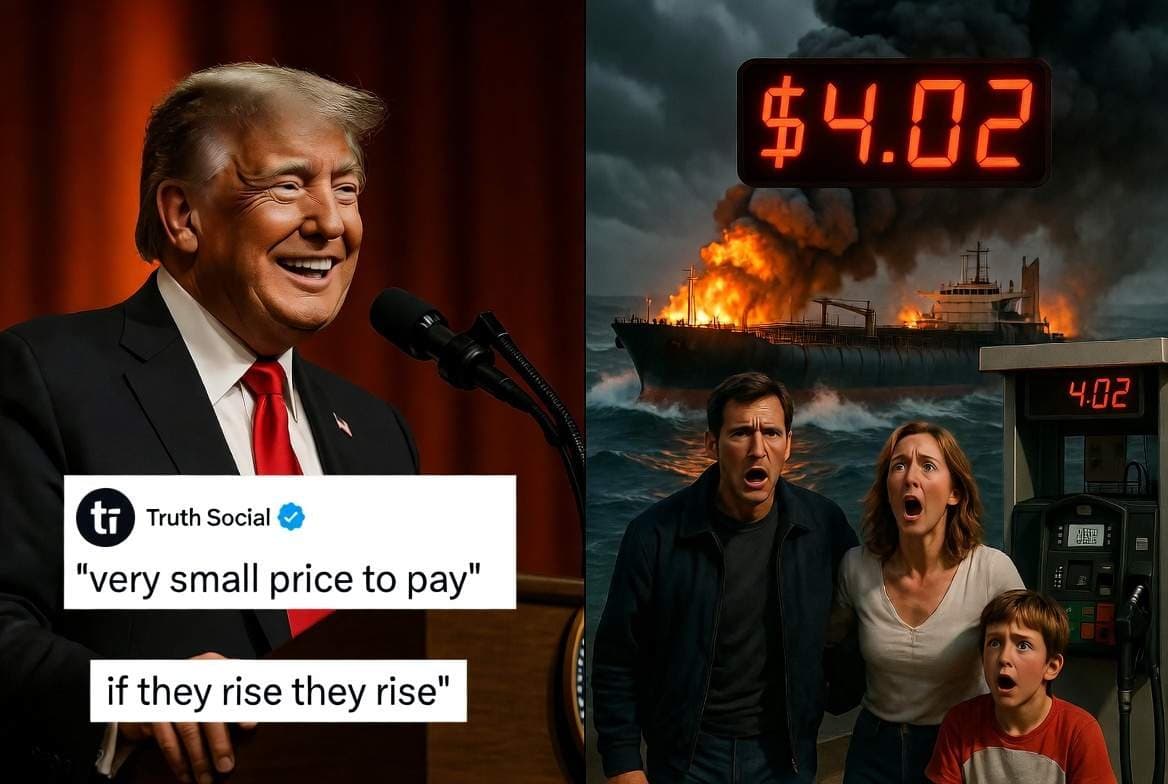
President Trump has acknowledged the increases but downplayed their long-term impact, stating on multiple occasions that prices “will come tumbling down” once the conflict ends and that the priority remains neutralizing the Iranian threat. In one Truth Social post, he noted that higher oil prices can benefit U.S. energy producers, while in interviews he said “if they rise, they rise” because stopping Iran from advancing its nuclear ambitions is far more important.
The federal gas tax funds highway and transit infrastructure, but with prices this high, relief proposals are gaining traction.
Supporters say a holiday could save drivers $7–$15 per fill-up depending on tank size and local taxes, providing quick breathing room without requiring new spending. Critics counter that suspending the tax reduces revenue for roads and bridges, potentially shifting costs elsewhere or requiring future tax hikes to backfill.
Trump has said he has “thought about” a federal suspension but suggested states should act first on their own taxes. The White House has also pointed to Strategic Petroleum Reserve releases and efforts to escort tankers as ways to stabilize supplies.

Higher fuel costs don’t stop at the pump. Trucking companies are passing on diesel increases, which means higher prices for everything from groceries to consumer goods. Airlines are adding fuel surcharges, making summer travel more expensive. Farmers face rising costs for fertilizer and transport, setting up potential food price pressure later in 2026.
Economists estimate that a prolonged disruption could add hundreds of dollars to the average household’s annual expenses. This comes at a time when many Americans were already watching their budgets closely.

The situation remains fluid. Some limited tanker movements have occurred under escort, but full reopening of the Strait of Hormuz depends on de-escalation or stronger military pressure to secure the waterway. Trump has repeatedly called the operation a success so far and predicted the war will wrap up “soon,” though analysts caution that clearing mines and threats could take weeks or months.
In the meantime, the political debate is intensifying. Will Congress pass a meaningful gas tax holiday before prices climb higher? Will it be federal, state-by-state, or both? And how long will any relief last if the underlying supply issues persist?
What do you think? Should the federal gas tax be suspended during this Iran conflict? Drop your current local gas price in the comments and share this if you believe drivers deserve immediate relief at the pump.
America’s wallets are on the front lines of this conflict. Stay informed — because the price you pay at the pump is only part of the story.

Israeli settler violence in the West Bank hit 6 attacks per day in 2026. Even Israel's own military commanders are alarmed. Here's the full picture.

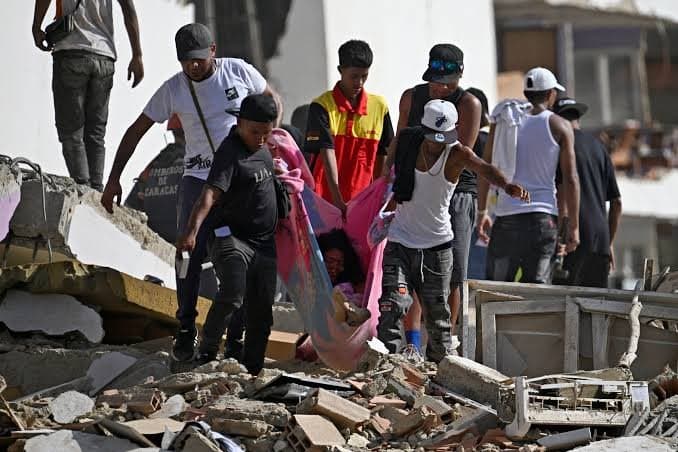
A 7.2 and 7.5 struck Venezuela 39 seconds apart on June 24. Here's what a doublet earthquake is, why Venezuela's crisis made it worse, and what aid is arriving.

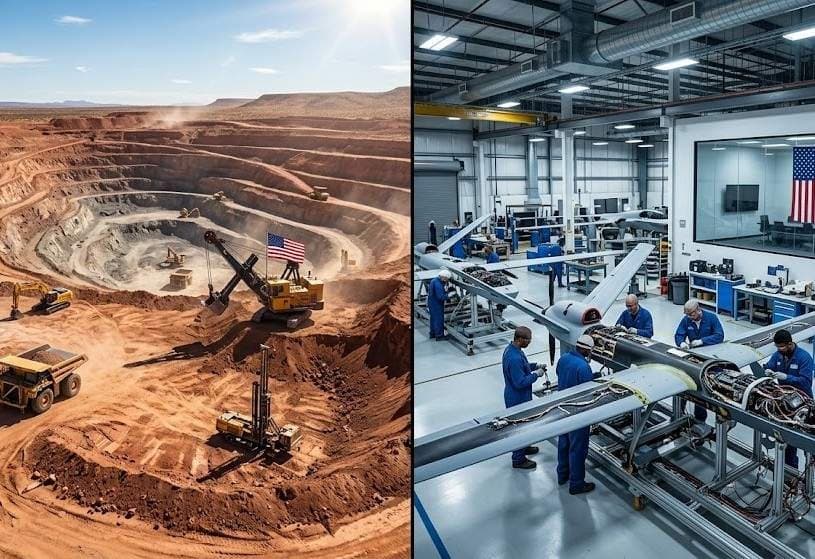
China just banned exports to America's top rare earth companies. Here's what the US-China trade war rare earth escalation means for your national security.

The Trump Iran peace deal is finally forcing Tehran to surrender. Marco Rubio shares updates on how the US blockade is ending the Middle East chaos.

The fragile Iran-US ceasefire is crumbling fast after Iran re-closed the Strait of Hormuz in response to Israeli strikes in Lebanon, spiking oil prices near $98. Get the full conservative analysis on what this means for America.

Trump calls rising gas prices a “very small price to pay” and says they’ll “drop very rapidly” after the Iran war. But with national averages now at $4.02 and diesel at $5.45, American families are feeling the real pain. The full breakdown of his quotes vs. your wallet.
No comments yet — be the first to weigh in.