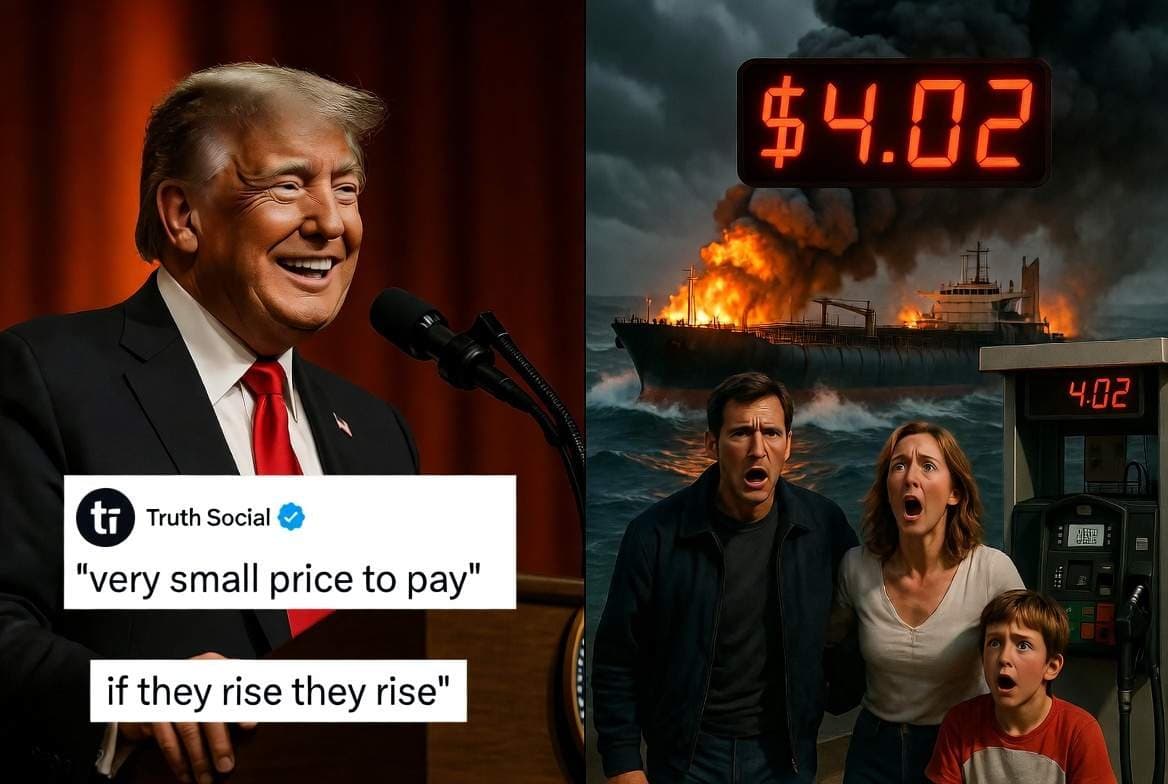
Trump calls rising gas prices a “very small price to pay” and says they’ll “drop very rapidly” after the Iran war. But with national averages now at $4.02 and diesel at $5.45, American families are feeling the real pain. The full breakdown of his quotes vs. your wallet.
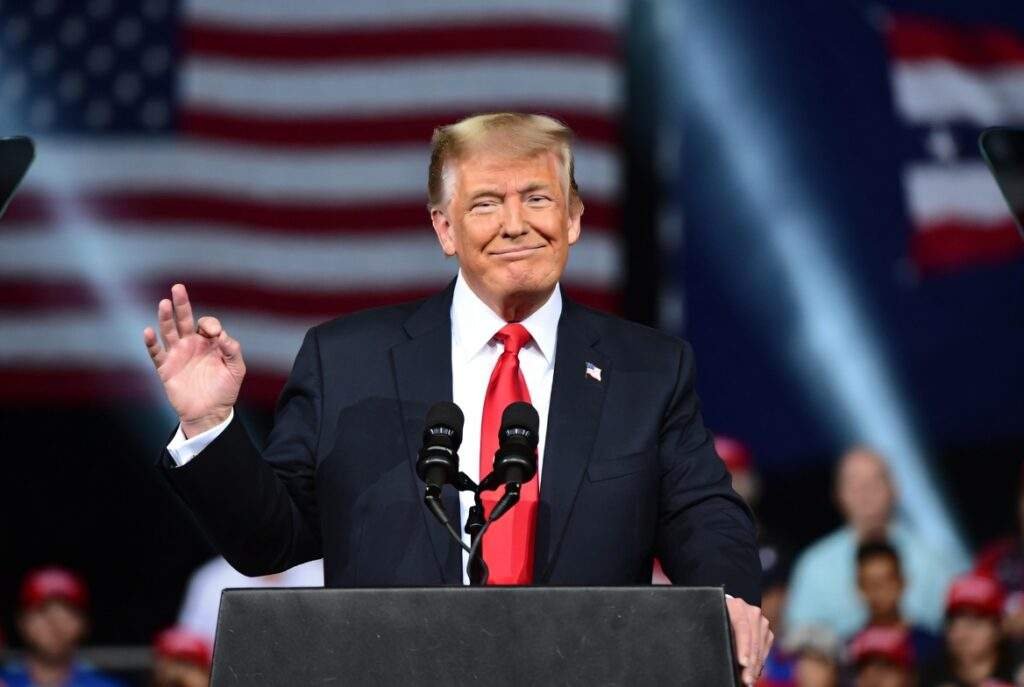
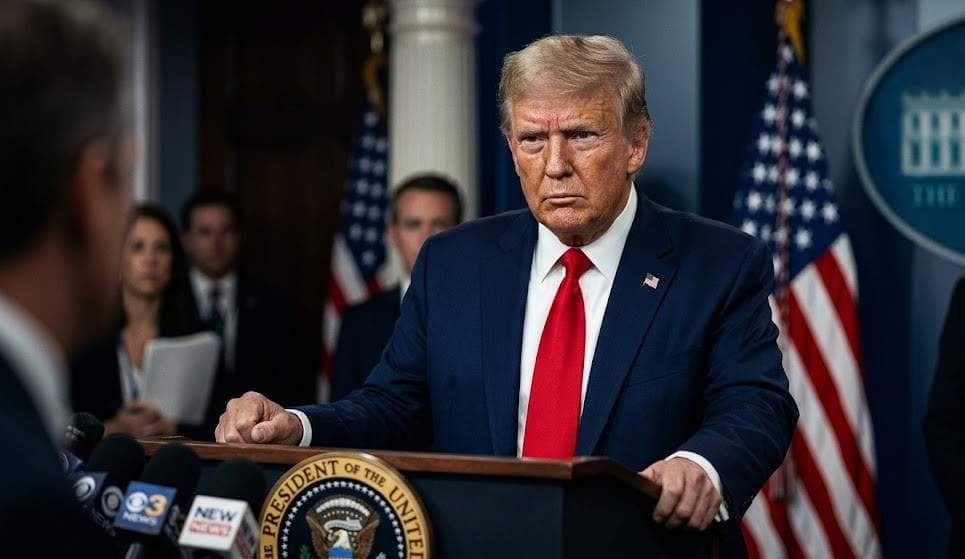
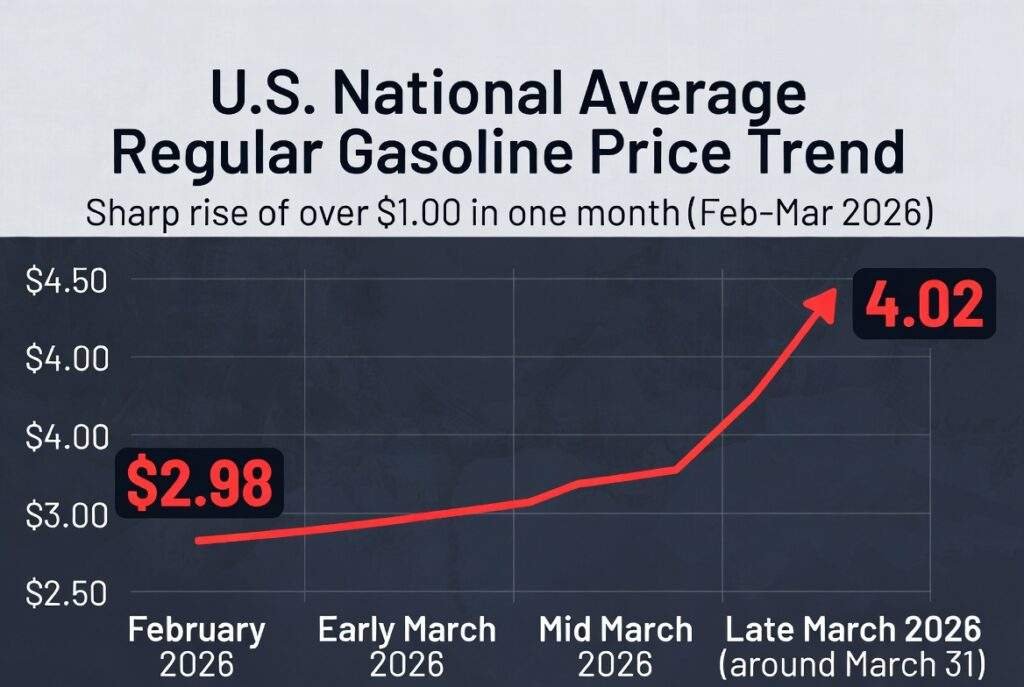
While American drivers stare at $4.02 gas at the pump — the highest national average in more than three years — President Trump is telling the country it’s no big deal.
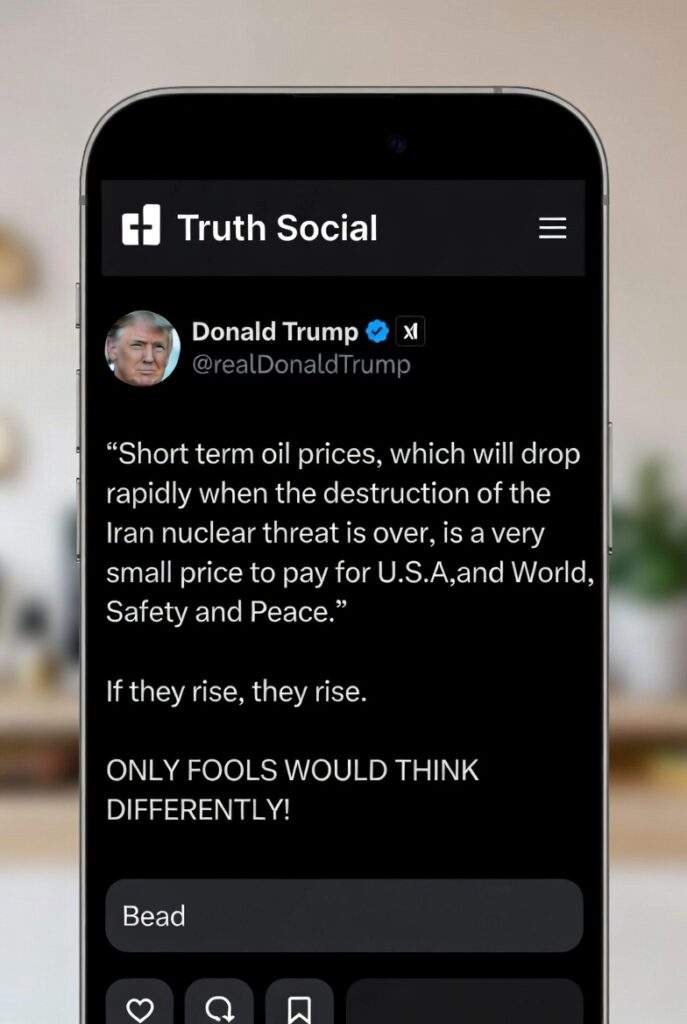
In recent days and weeks, Trump has repeatedly downplayed the skyrocketing fuel costs triggered by the U.S.-Israel war on Iran and the ongoing closure of the Strait of Hormuz. He has called the price surge a “very small price to pay,” said “if they rise, they rise,” and insisted the pain will be short-lived once the operation is complete.

But the numbers tell a different story. The national average for regular unleaded has jumped more than $1.04 — a 36% spike — since late February when strikes began. Diesel is now pushing $5.45 in many markets. And economists warn the ripple effects on groceries, trucking, and everyday costs will hit families for months.
This isn’t just abstract geopolitics. This is your commute, your grocery bill, and your summer plans getting crushed while Trump frames it as the cost of “victory.”
President Trump has been crystal clear in his public statements:
Trump has also emphasized that higher oil prices benefit the United States as the world’s top producer, saying the country is “making a lot of money” from the surge.
These quotes are not taken out of context — they come directly from Trump’s Truth Social posts, interviews, and public appearances in March and early April 2026.
While Trump talks about short-term pain, the data shows real and immediate damage:
The Strait of Hormuz — which normally carries 20% of global oil — remains severely restricted. Oil prices have hovered above $100 per barrel, and experts say limited escorted tankers and Strategic Petroleum Reserve releases are only buying time, not solving the supply shock.
Everyday Americans are feeling it hardest. A full tank now costs $15–$30 more than it did before the war. Trucking companies are passing on diesel hikes, which means higher prices for everything shipped by road.
Trump is correct on one point: Higher oil prices do boost U.S. energy producers and the overall economy in some sectors. Domestic drillers and exporters are seeing windfall profits.
But for the average family? It’s pure pain.
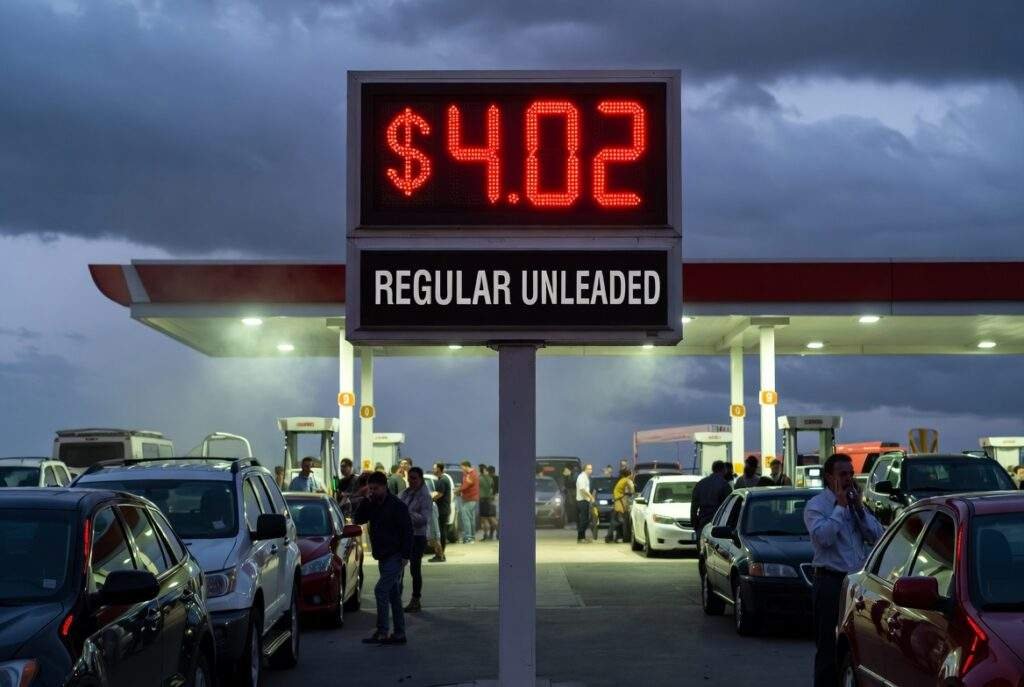
Economists estimate the sustained $4+ gas could add $400–$800 to annual household costs when factoring in higher food, shipping, and travel expenses. Low- and middle-income families, who spend a larger share of their budget on fuel and groceries, get hit the hardest.
This is the exact disconnect the mainstream media glosses over: While producers cash in and Trump declares victory, working Americans are left footing the bill at the pump.
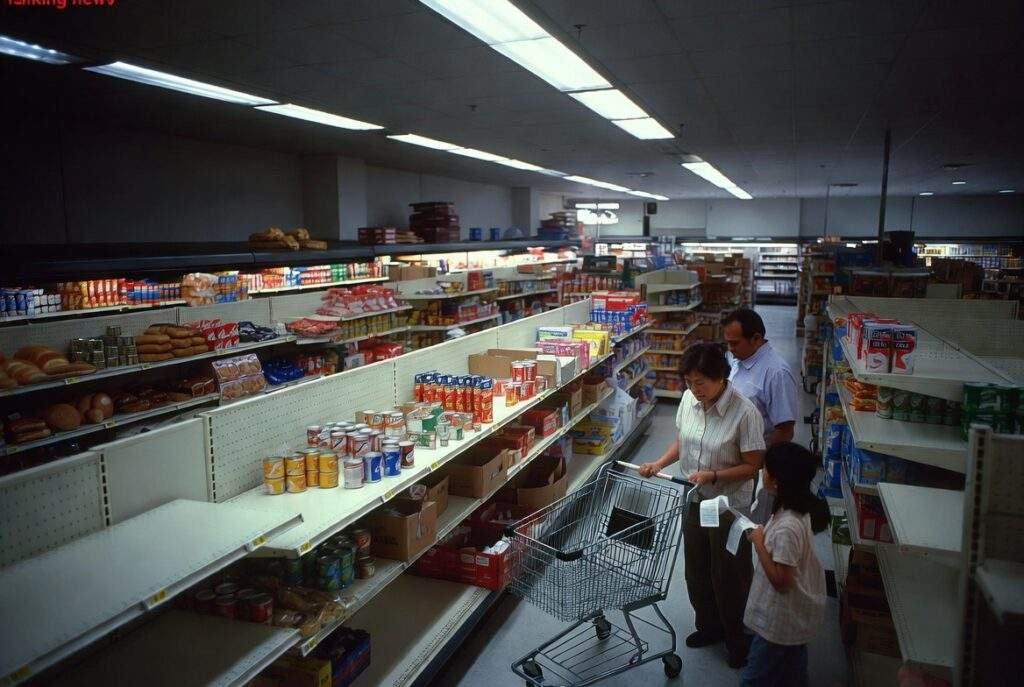
Trump’s strategy is clear — prioritize neutralizing the Iranian nuclear threat and accept short-term economic fallout as the price of long-term security. He has repeatedly said the operation was “far more important” than gasoline prices.
Yet with prices already at $4.02 and analysts warning they could climb further if the Strait of Hormuz stays blocked past mid-April, many families are asking: How much is too much?
What do you think? Is $4 gas (and rising) worth it for Trump’s Iran victory? Drop your local pump price in the comments and share this article if you’re tired of politicians telling you the pain at the pump is “no big deal.”
America’s wallets are on the front lines of this war. The victory may be coming — but the price tag is already here.
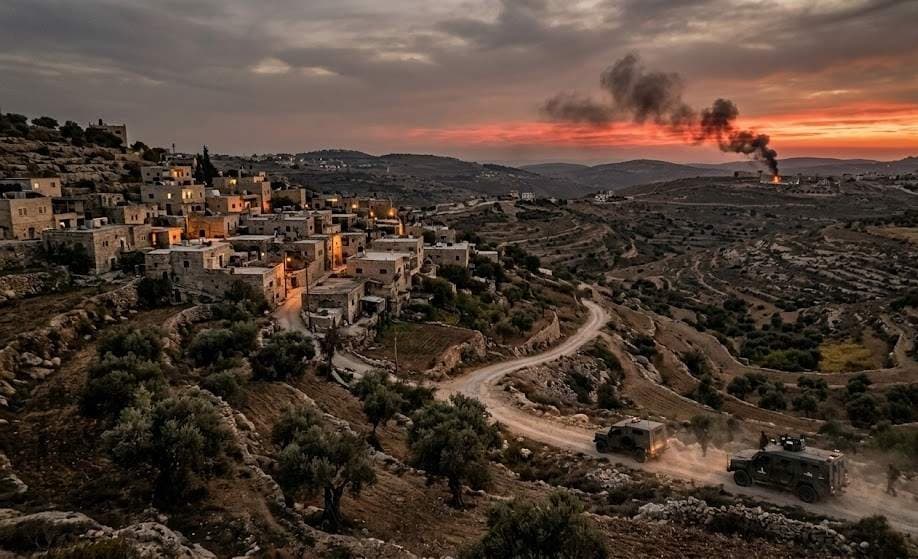
Israeli settler violence in the West Bank hit 6 attacks per day in 2026. Even Israel's own military commanders are alarmed. Here's the full picture.

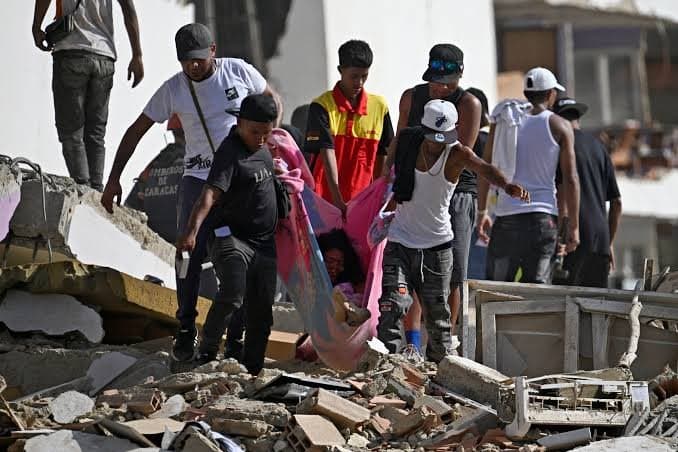
A 7.2 and 7.5 struck Venezuela 39 seconds apart on June 24. Here's what a doublet earthquake is, why Venezuela's crisis made it worse, and what aid is arriving.

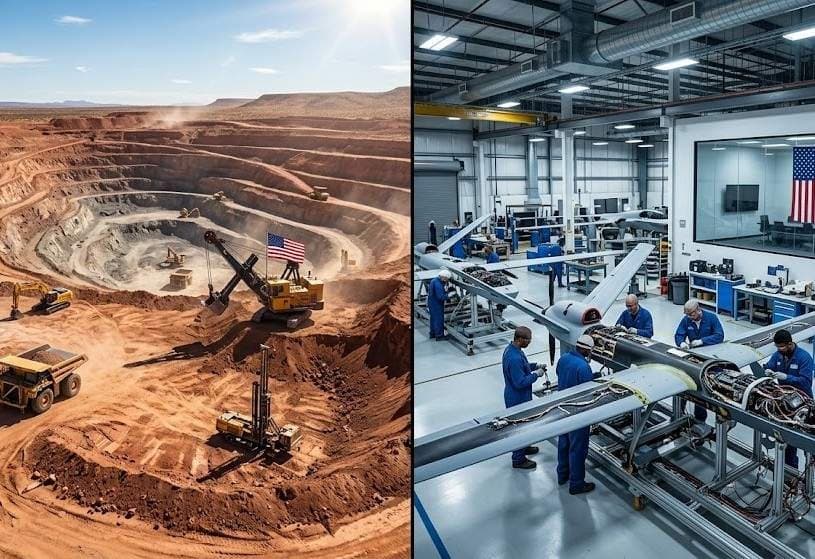
China just banned exports to America's top rare earth companies. Here's what the US-China trade war rare earth escalation means for your national security.

The Trump Iran peace deal is finally forcing Tehran to surrender. Marco Rubio shares updates on how the US blockade is ending the Middle East chaos.

The fragile Iran-US ceasefire is crumbling fast after Iran re-closed the Strait of Hormuz in response to Israeli strikes in Lebanon, spiking oil prices near $98. Get the full conservative analysis on what this means for America.

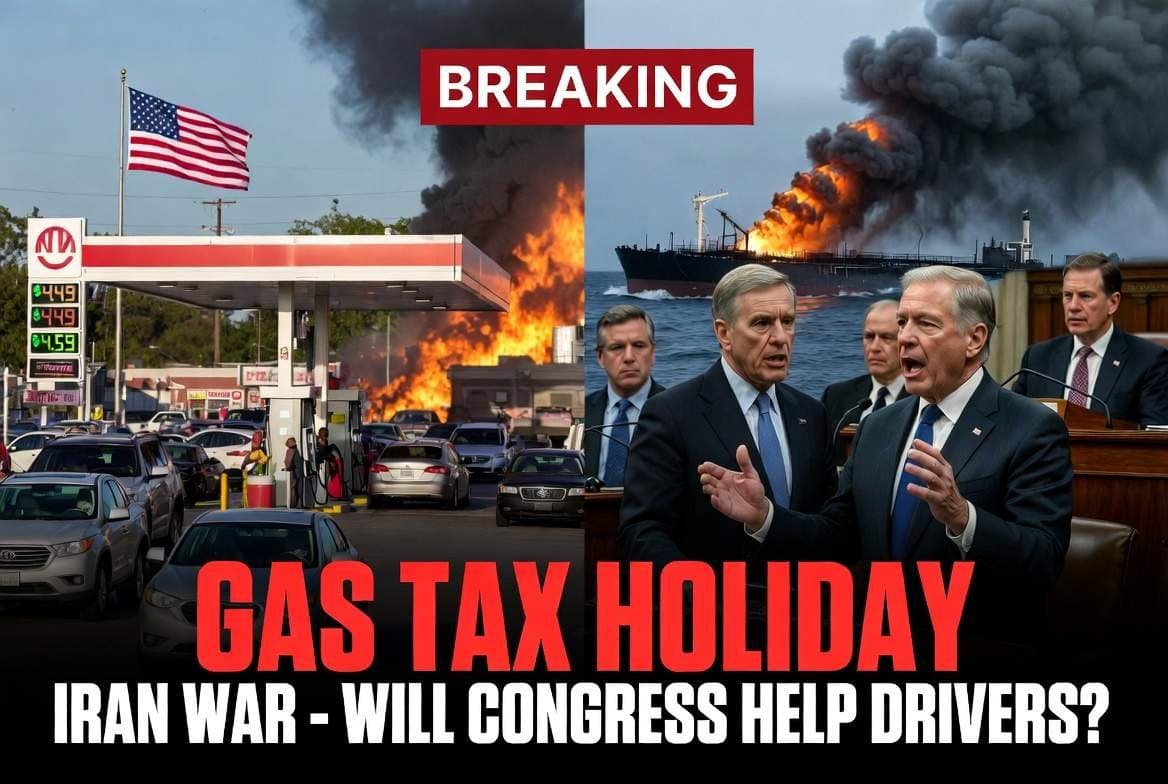
As the Iran war and Strait of Hormuz closure push national gas prices near $4 and higher, lawmakers from both parties call for a federal and state gas tax holiday. Will Trump and Congress deliver relief to American drivers, or will families keep paying the price for the conflict?
No comments yet — be the first to weigh in.