The fragile Iran-US ceasefire is crumbling fast after Iran re-closed the Strait of Hormuz in response to Israeli strikes in Lebanon, spiking oil prices near $98. Get the full conservative analysis on what this means for America.
The fragile Iran-US ceasefire is already hanging by a thread. Hours after the conditional two-week pause took effect, Iran slammed the Strait of Hormuz closed once more, citing Israeli actions in Lebanon as "ceasefire violations."
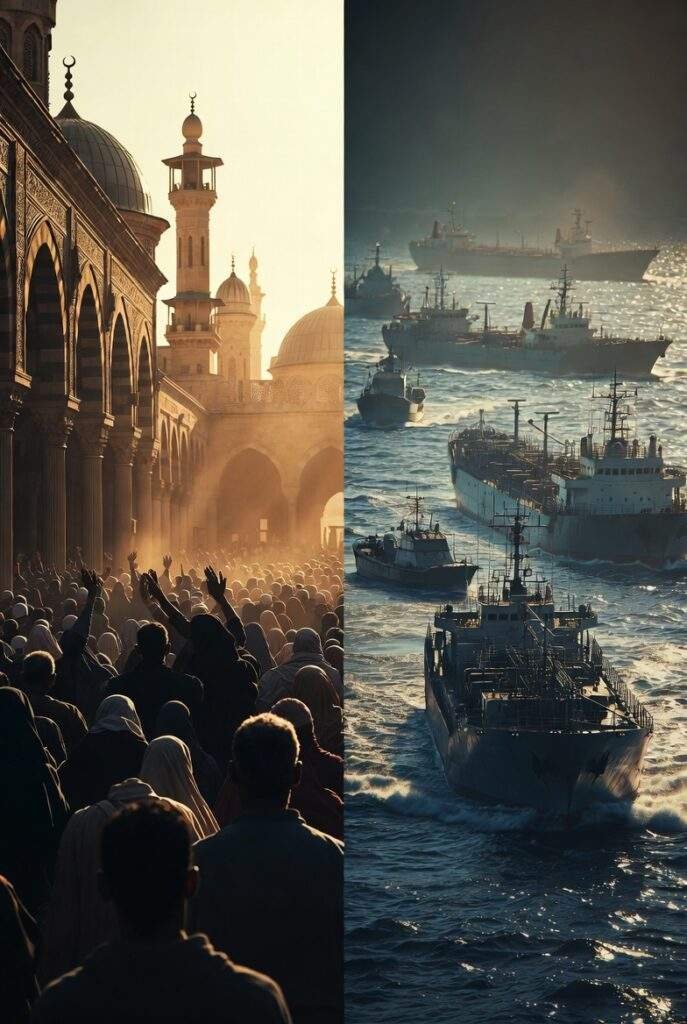
Oil prices rocketed toward $98 a barrel as global markets panicked over renewed threats to one of the world's most critical energy chokepoints. Meanwhile, in a rare glimmer of normalcy amid the chaos, Jerusalem's holiest sites reopened to worshippers for the first time since late February.
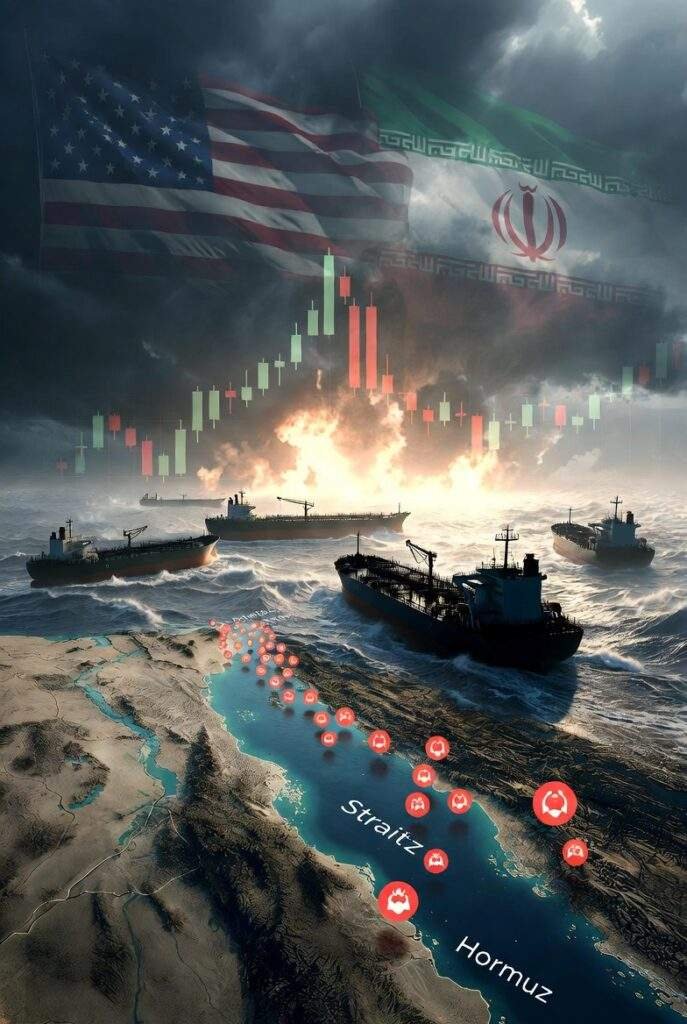
The US and Iran struck the fragile Iran-US ceasefire on April 7-8, 2026, after more than a month of intense conflict that began with joint US-Israeli strikes on February 28. President Trump suspended bombing campaigns on Iran for two weeks, contingent on Tehran allowing safe, unrestricted shipping through the Strait of Hormuz – a vital artery carrying about 20% of global oil trade.
Iran had effectively shut the strait earlier through attacks and threats, causing massive supply disruptions. The deal, mediated in part through Pakistan, aimed to give breathing room for further talks. Israel reportedly agreed to the terms, but questions lingered about its application to Hezbollah operations in Lebanon.
Israeli forces launched intense strikes across Lebanon on April 8, targeting what they described as Hezbollah sites. Reports indicate at least 250 killed in one of the deadliest days of related fighting, with heavy action in Beirut and southern areas. Iran immediately pointed to these actions as violations, re-closing the Strait of Hormuz and halting tanker traffic.
This move directly undercuts the core condition of the truce. Without free passage, the fragile Iran-US ceasefire loses its main economic lever. Global energy markets reacted instantly, reversing earlier post-ceasefire dips and pushing prices higher.
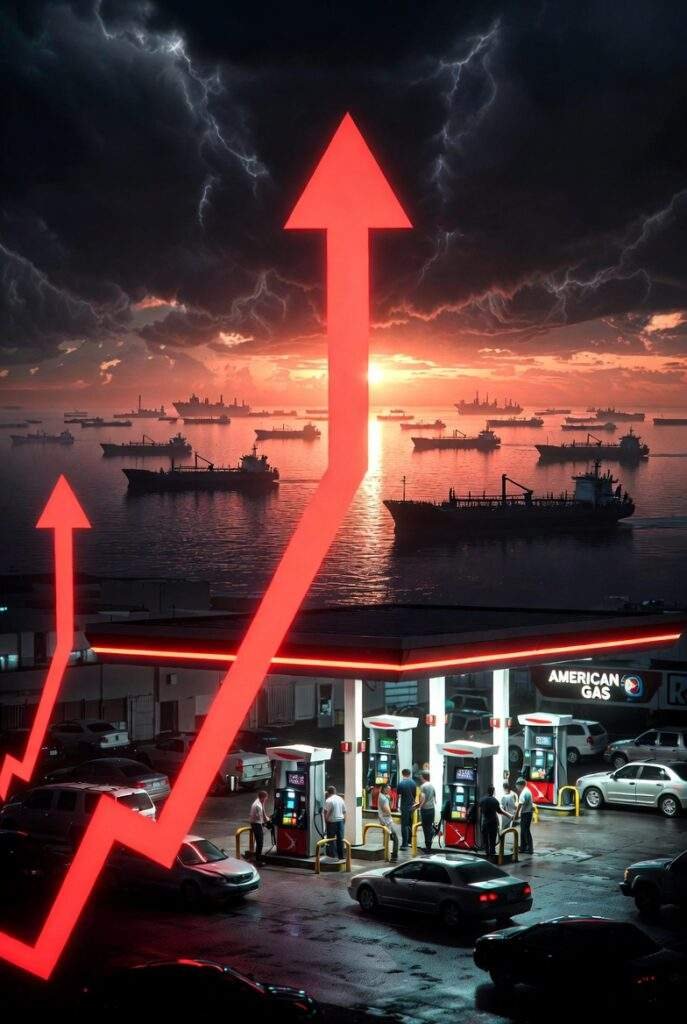
The re-closure sent shockwaves through energy markets. Brent crude and WTI benchmarks climbed rapidly, with prices approaching $98 per barrel. American families already feeling the pinch from earlier disruptions now face renewed risks of higher gas prices at the pump – a direct hit to household budgets caused by Iranian brinkmanship.
This isn't abstract geopolitics. It's real pain for working Americans who rely on affordable fuel for commuting, trucking, and heating.
In a positive development rarely highlighted elsewhere, Israeli authorities reopened key holy sites in Jerusalem's Old City. The Al-Aqsa Mosque and Church of the Holy Sepulchre welcomed worshippers again on April 9 after weeks of security-driven closures tied to the broader conflict. Hundreds of faithful gathered for prayers, offering a momentary pause in regional hostilities.
This reopening underscores Israel's efforts to balance security with respect for religious freedoms, even as threats persist.

Former officials and analysts warn that proxy forces like Hezbollah remain Iran's primary tool for undermining agreements. One senior Middle East strategist noted, "Tehran never intended a real pause – they use Lebanon as a pressure valve while testing American resolve on Hormuz."
President Trump has made clear that any closure of the strait is "completely unacceptable" under the deal. Strong US leadership, backed by military readiness, remains essential to deter further Iranian aggression and protect global shipping lanes.
Conservative voices emphasize that weakness invites escalation. Honoring alliances with Israel while confronting Iran's nuclear ambitions and terror sponsorship offers the only path to lasting stability.
Every spike in oil prices translates to harder choices for American families – skipping road trips, tightening grocery budgets, or delaying home repairs. Truckers hauling goods across Florida and the heartland feel it first, passing costs to consumers already stretched thin.
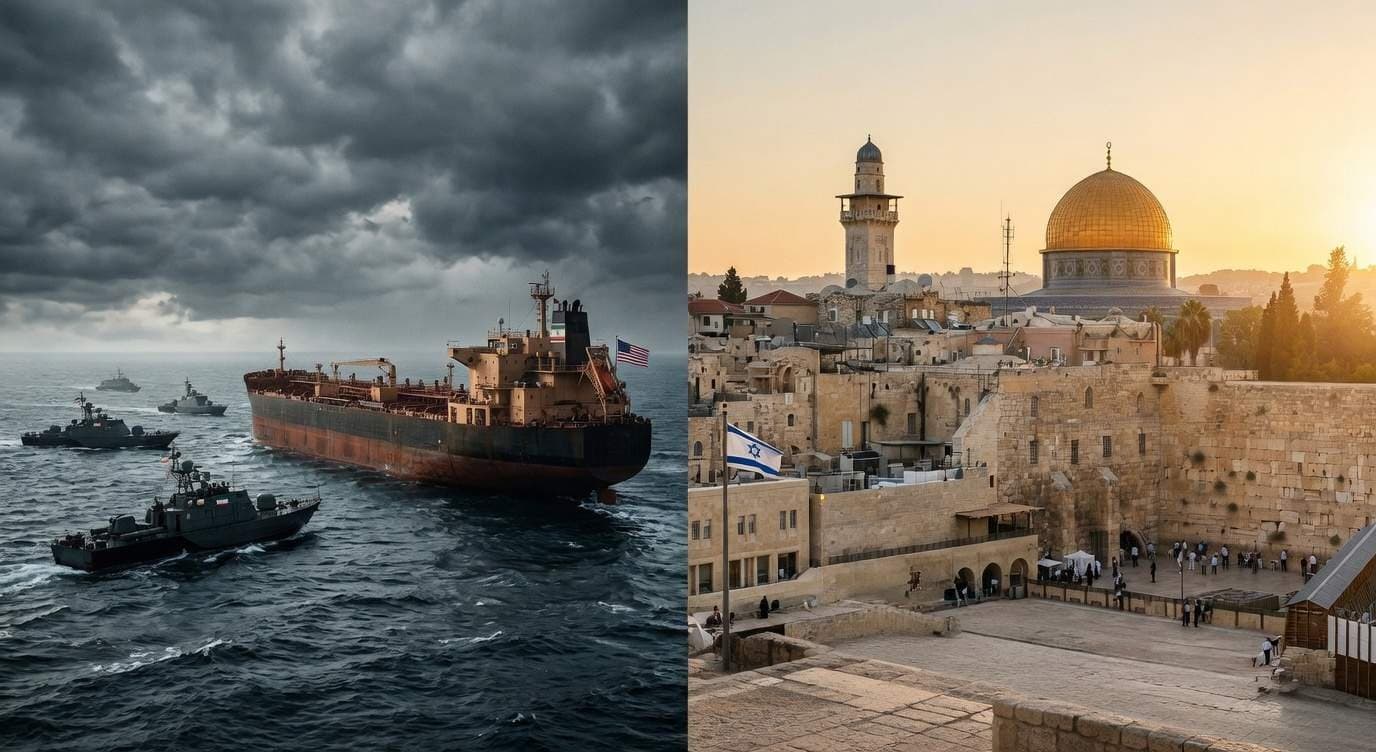
In Jerusalem, the reopening brought tears of relief for families able to pray again after weeks of uncertainty. These human stories remind us why peace through strength matters: it protects innocent lives and everyday freedoms on all sides.
Critics argue Israeli actions in Lebanon risk derailing diplomacy. Yet Iran's history of proxy warfare through Hezbollah, combined with its immediate re-closure of Hormuz, reveals a pattern of bad-faith negotiation. The regime has long used civilians and international waterways as leverage.
A truly durable ceasefire requires Iran to verifiably abandon its nuclear program, end terror financing, and respect freedom of navigation – non-negotiables for American security and regional allies.

As one defense analyst framed it: "You don't achieve peace by rewarding hostage-taking of global energy supplies." The fragile Iran-US ceasefire tests whether diplomacy can succeed without ironclad enforcement.
The fragile Iran-US ceasefire stands on the brink of full collapse, with Iran's re-closure of the Strait of Hormuz and ongoing proxy tensions exposing the limits of short-term deals with a regime that thrives on chaos. Oil prices surging and holy sites reopening offer stark reminders of both the economic stakes and rare moments of respite in this volatile region.
America must prioritize strength, energy independence, and unwavering support for Israel's right to defend itself. Only through clear resolve against Iranian aggression can we secure lasting peace, stable markets, and protection for American interests. Anything less invites more crises – and higher costs for every family back home.
FAST FACTS
What is the current status of the fragile Iran-US ceasefire? It is under severe threat after Iran re-closed the Strait of Hormuz in response to Israeli strikes in Lebanon, just days into the two-week agreement.
Why did Iran close the Strait of Hormuz again? Tehran cited "ceasefire violations" from Israeli operations against Hezbollah targets in Lebanon as justification for halting tanker traffic.
How are oil prices affected by the Hormuz situation? Prices have surged toward $98 per barrel as markets react to renewed risks in this critical shipping lane, potentially raising costs for American drivers and businesses.
What happened with holy sites in Jerusalem during the crisis? The Al-Aqsa Mosque and Church of the Holy Sepulchre reopened on April 9 for the first time since late February, allowing worshippers a moment of normalcy amid regional tensions.
Will the fragile Iran-US ceasefire hold? Prospects look dim without firm enforcement against Iranian provocations and proxy attacks; strong US policy supporting allies and energy security will be decisive.
Don't rely on mainstream spin for the real story. Subscribe to Stucci Media today for unfiltered, truth-first conservative reporting that cuts through the noise, protects American interests, and delivers the insights you won't find anywhere else. Join our growing community of informed patriots – your support keeps independent journalism strong.

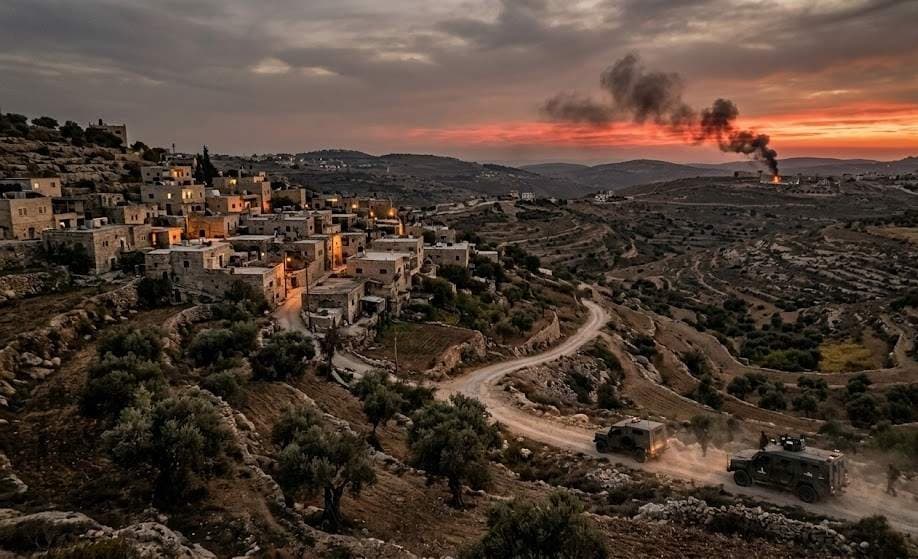
Israeli settler violence in the West Bank hit 6 attacks per day in 2026. Even Israel's own military commanders are alarmed. Here's the full picture.

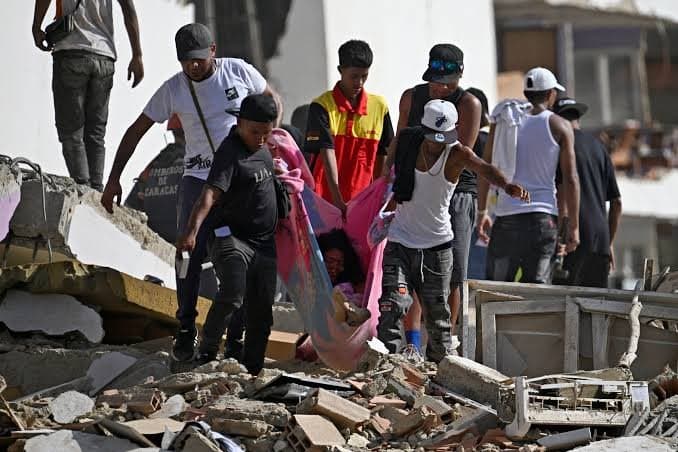
A 7.2 and 7.5 struck Venezuela 39 seconds apart on June 24. Here's what a doublet earthquake is, why Venezuela's crisis made it worse, and what aid is arriving.

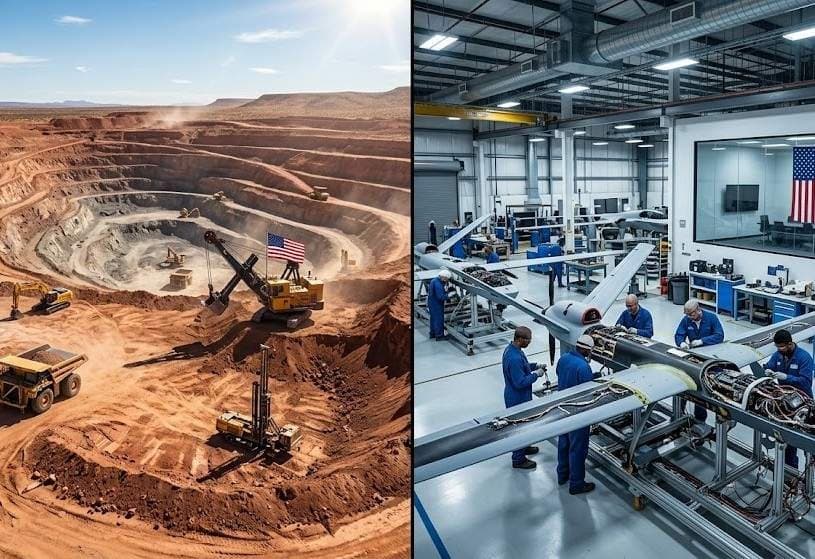
China just banned exports to America's top rare earth companies. Here's what the US-China trade war rare earth escalation means for your national security.

The Trump Iran peace deal is finally forcing Tehran to surrender. Marco Rubio shares updates on how the US blockade is ending the Middle East chaos.

Trump calls rising gas prices a “very small price to pay” and says they’ll “drop very rapidly” after the Iran war. But with national averages now at $4.02 and diesel at $5.45, American families are feeling the real pain. The full breakdown of his quotes vs. your wallet.

As the Iran war and Strait of Hormuz closure push national gas prices near $4 and higher, lawmakers from both parties call for a federal and state gas tax holiday. Will Trump and Congress deliver relief to American drivers, or will families keep paying the price for the conflict?
No comments yet — be the first to weigh in.