Iran proxies Houthis launch ballistic missiles at Israel as war enters second month. Iranian strike wounds 12 US troops in Saudi Arabia. Experts warn of sleeper cells activation in US. Trump’s strategy under fire.
As the US-Israel war with Iran hits the one-month mark, Iran proxies Houthis sleeper cells US threats have escalated dramatically. On March 28, 2026, Yemen’s Iran-backed Houthi rebels officially entered the conflict by launching ballistic missiles at Israel — the first direct Houthi attack since the war began. Hours earlier, an Iranian strike wounded 12 US troops (two seriously) at Prince Sultan Air Base in Saudi Arabia.
This multi-front proxy expansion isn’t random. It’s Tehran’s playbook for asymmetric retaliation while US missile stockpiles dwindle and domestic sleeper cell warnings grow louder. Florida families with loved ones deployed, or living near vulnerable ports like Tampa, should pay attention — the war is no longer “over there.”
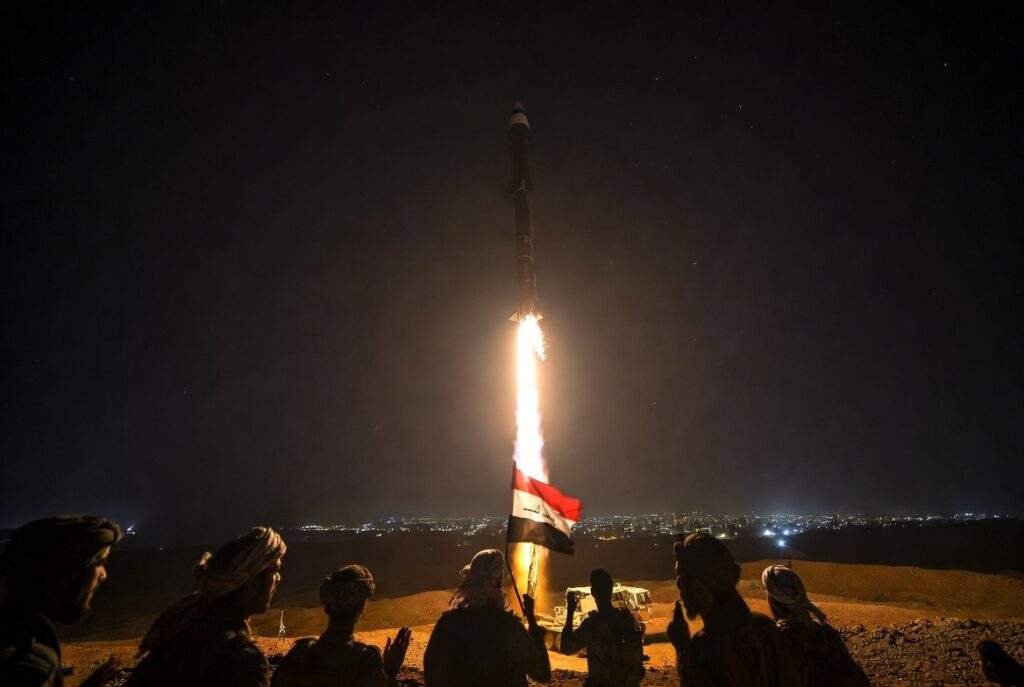
Houthi military spokesman Yahya Saree announced the barrage, claiming strikes on “sensitive military sites” near Beer Sheba and Israel’s nuclear research center. Israeli defenses intercepted most, but sirens blared across central Israel, with at least one reported fatality and injuries.

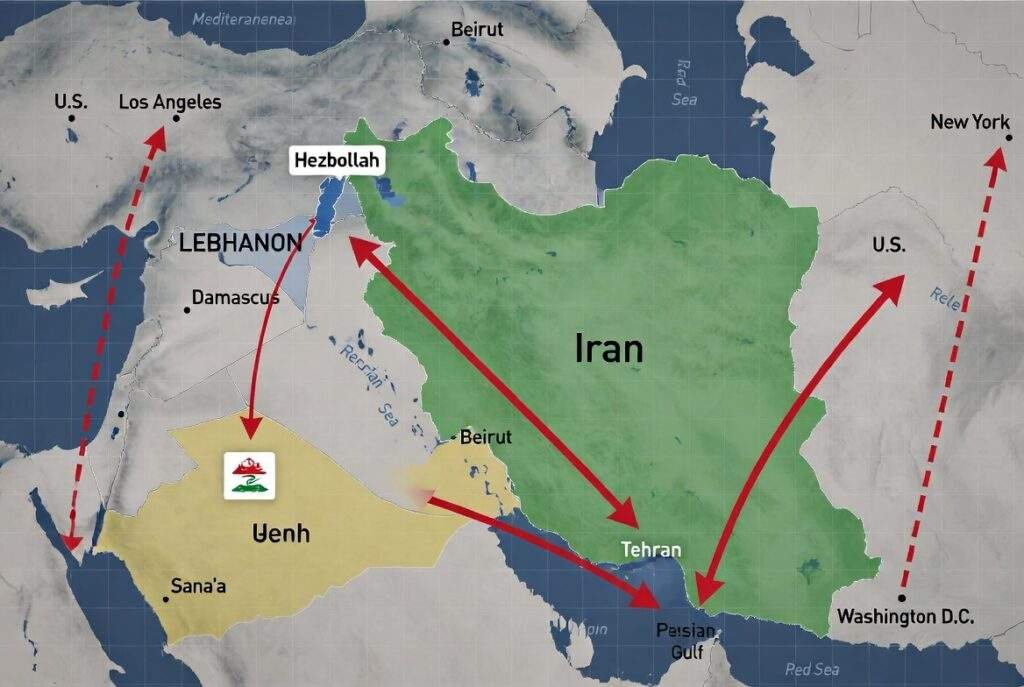
This marks the Houthis’ shift from Red Sea shipping attacks to direct involvement in the Iran war. Backed, trained, and armed by Iran’s IRGC, the Houthis have proven they can project power far beyond Yemen. Their entry opens a dangerous southern front, stretching Israeli and US resources even thinner.
Experts note the timing: It comes as Israel strikes deep into Tehran (damaging industrial and university sites) and amid stalled diplomacy. Trump has extended deadlines for Iran to reopen the Strait of Hormuz, claiming talks are “going very well,” but the battlefield tells a different story.
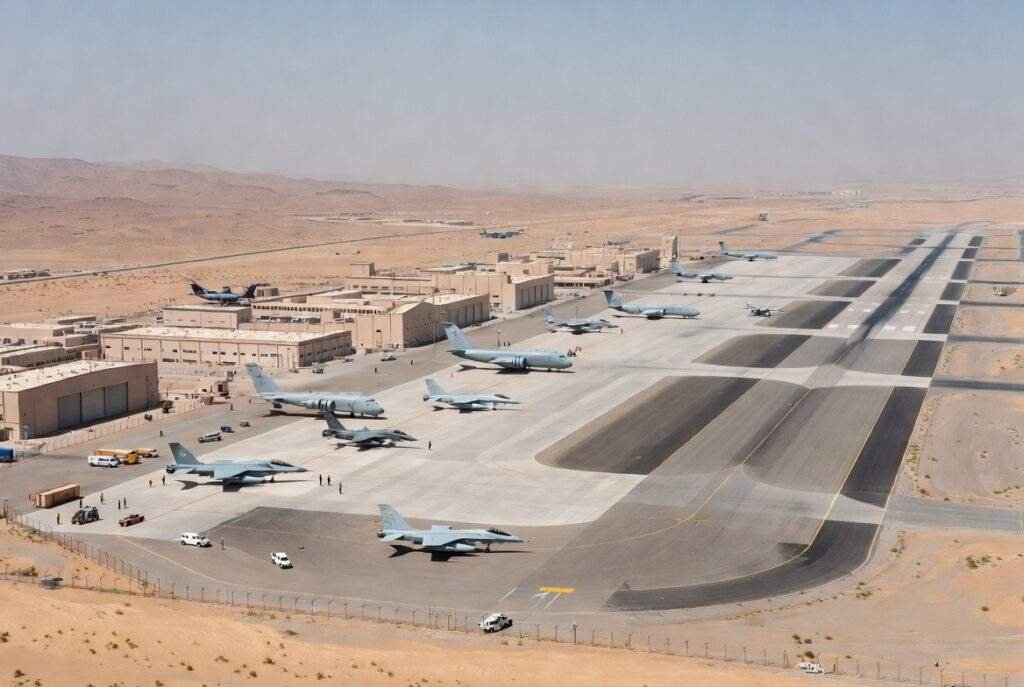
Compounding the threat, Iran directly hit Prince Sultan Air Base in Saudi Arabia with missiles and drones. Twelve US service members were wounded — two critically — with planes damaged. This is one of the most serious direct attacks on US forces since the war started.

The strike highlights how Iran proxies (and Iran itself) are coordinating to bleed American resources. Saudi bases host critical US assets for defending Gulf allies and projecting power toward the Strait of Hormuz. With US troops already paying the price, questions mount about force protection and whether depleted Patriot interceptors left gaps.

US intelligence has intercepted encrypted communications from Iran that may serve as “operational triggers” for prepositioned sleeper assets. Federal alerts have gone out to law enforcement warning of potential activation of Iran proxies Houthis sleeper cells US networks, lone wolves, or Hezbollah-linked sympathizers.
This isn’t hypothetical. Earlier incidents — the Michigan synagogue ramming and Old Dominion University shooting — are being re-examined for ties to Iranian retaliation, possibly inspired by the Minab school strike or broader war grievances.
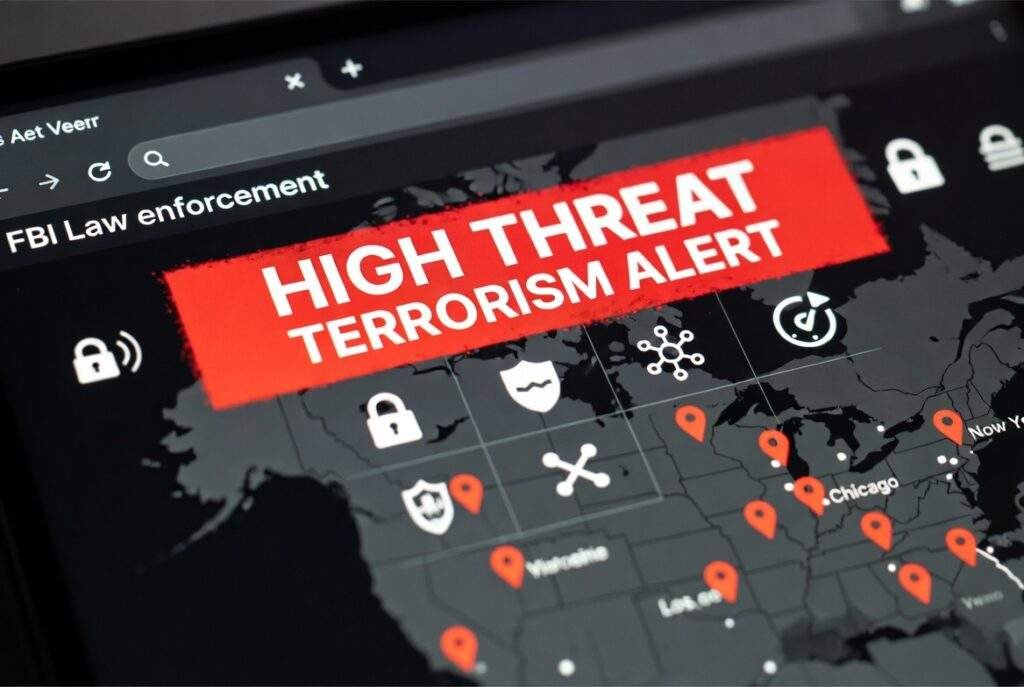
Defense experts warn that as Iran faces pressure, it may turn to low-cost domestic terrorism: vehicle attacks, shootings, or cyberattacks on US infrastructure. Florida’s ports, theme parks, and military installations could be soft targets for proxy-inspired lone actors. Senator Ted Cruz and others have stated the danger from sleeper cells “has never been higher.”
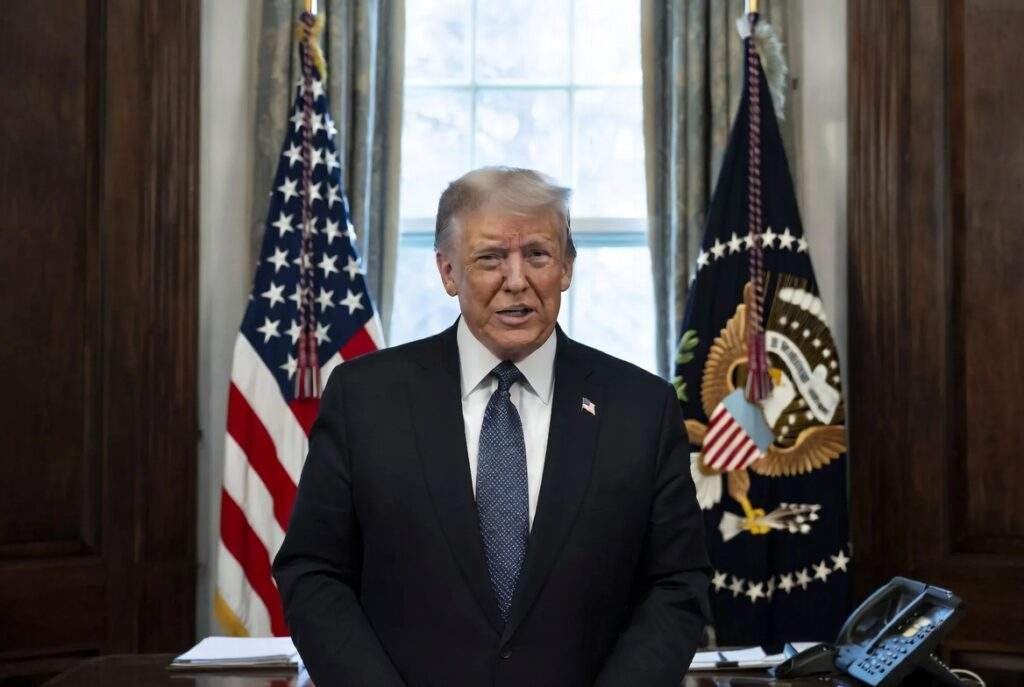
President Trump continues to project strength, saying Iran is “being decimated” and that indirect talks via Pakistan are progressing. Yet the battlefield shows a different picture: Houthis firing ballistic missiles, direct Iranian hits on US troops, and ongoing Strait of Hormuz disruptions driving up energy costs.
Critics argue the administration’s focus on “total victory” underestimates the proxy network’s resilience. The Houthis, Hezbollah remnants, and potential IRGC cells form an “Axis of Resistance” designed exactly for this kind of prolonged, asymmetric fight.
Link to related coverage: US Missile Stockpile Depletion in Iran War shows why intercepting every Houthi or Iranian threat is becoming unsustainable.
Central Florida residents feel this war daily through higher gas and diesel prices. Now add the risk of proxy-inspired incidents. Tampa’s MacDill AFB (CENTCOM headquarters) and busy ports make the area strategically sensitive. Military families worry about force protection abroad and potential backlash at home.
What’s next? Experts predict more Houthi attempts, possible Hezbollah activity from Lebanon, and heightened FBI monitoring of Iranian communities and sympathizers in the US. Production of replacement munitions lags far behind usage.
What’s your take? Are Iran proxies Houthis sleeper cells US the next big threat? Comment with your local concerns and share this if you want real talk on national security, not mainstream spin.
Stay vigilant, America. The proxies are expanding — and the Homefront may not be as safe as we think.

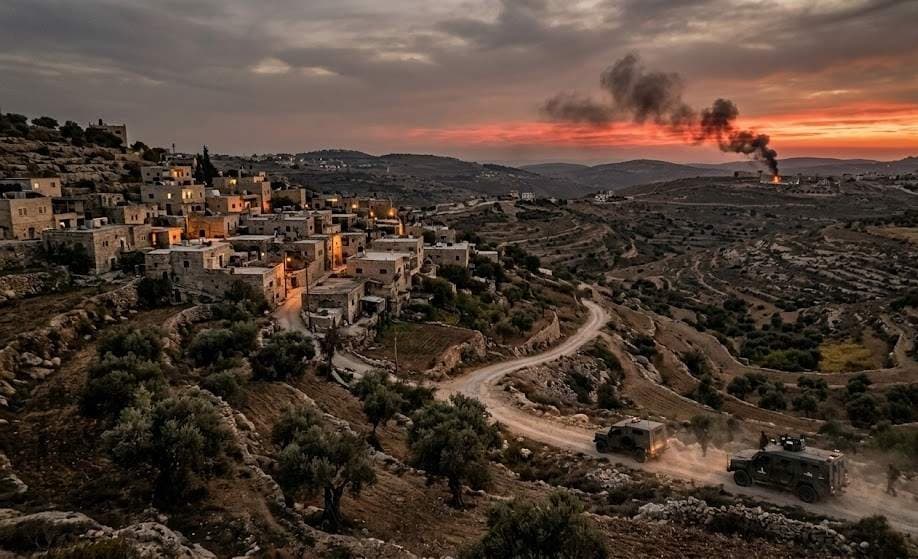
Israeli settler violence in the West Bank hit 6 attacks per day in 2026. Even Israel's own military commanders are alarmed. Here's the full picture.

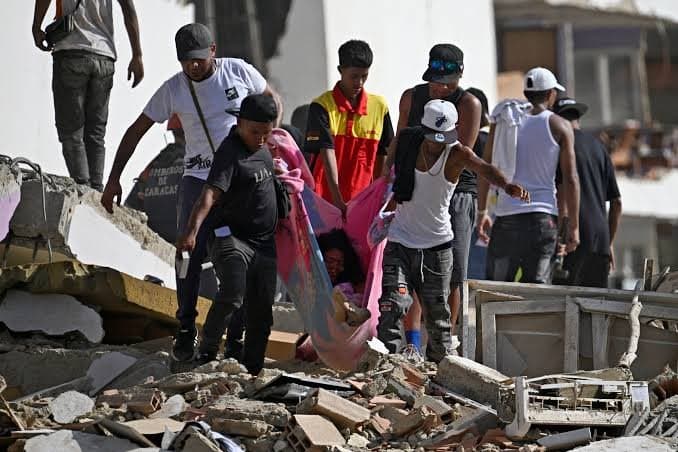
A 7.2 and 7.5 struck Venezuela 39 seconds apart on June 24. Here's what a doublet earthquake is, why Venezuela's crisis made it worse, and what aid is arriving.

China just banned exports to America's top rare earth companies. Here's what the US-China trade war rare earth escalation means for your national security.

The Trump Iran peace deal is finally forcing Tehran to surrender. Marco Rubio shares updates on how the US blockade is ending the Middle East chaos.

The fragile Iran-US ceasefire is crumbling fast after Iran re-closed the Strait of Hormuz in response to Israeli strikes in Lebanon, spiking oil prices near $98. Get the full conservative analysis on what this means for America.

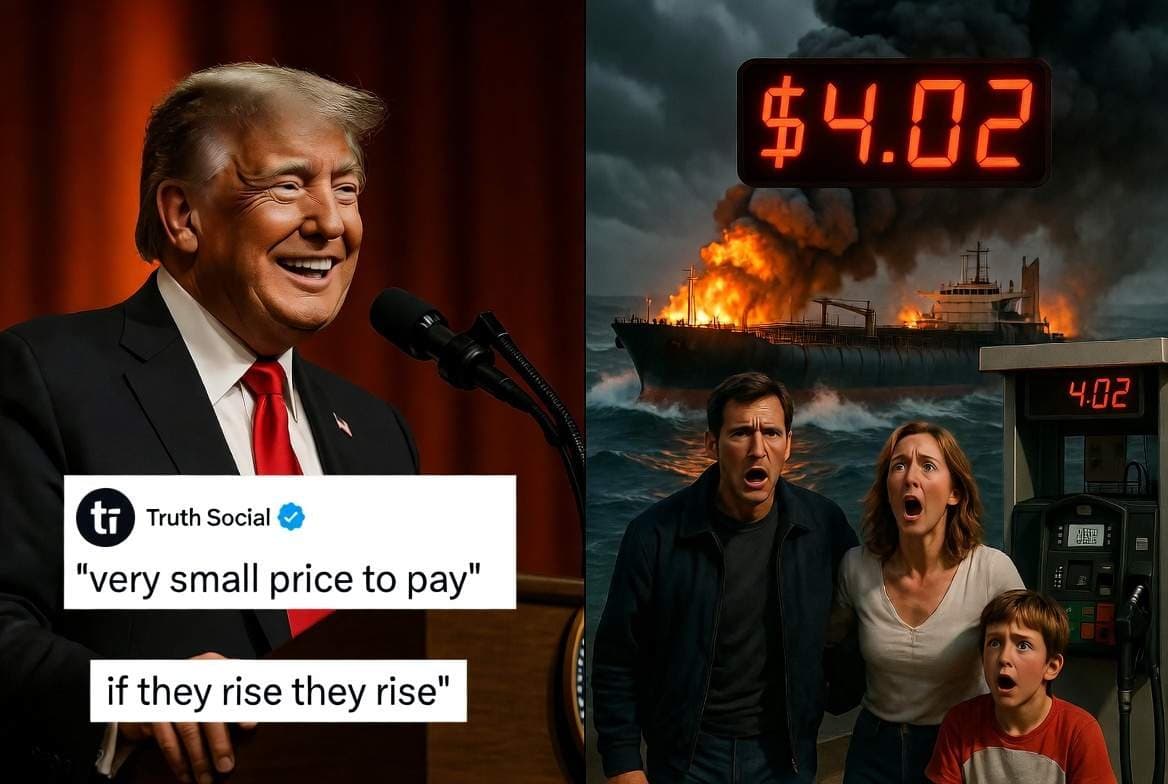
Trump calls rising gas prices a “very small price to pay” and says they’ll “drop very rapidly” after the Iran war. But with national averages now at $4.02 and diesel at $5.45, American families are feeling the real pain. The full breakdown of his quotes vs. your wallet.
No comments yet — be the first to weigh in.