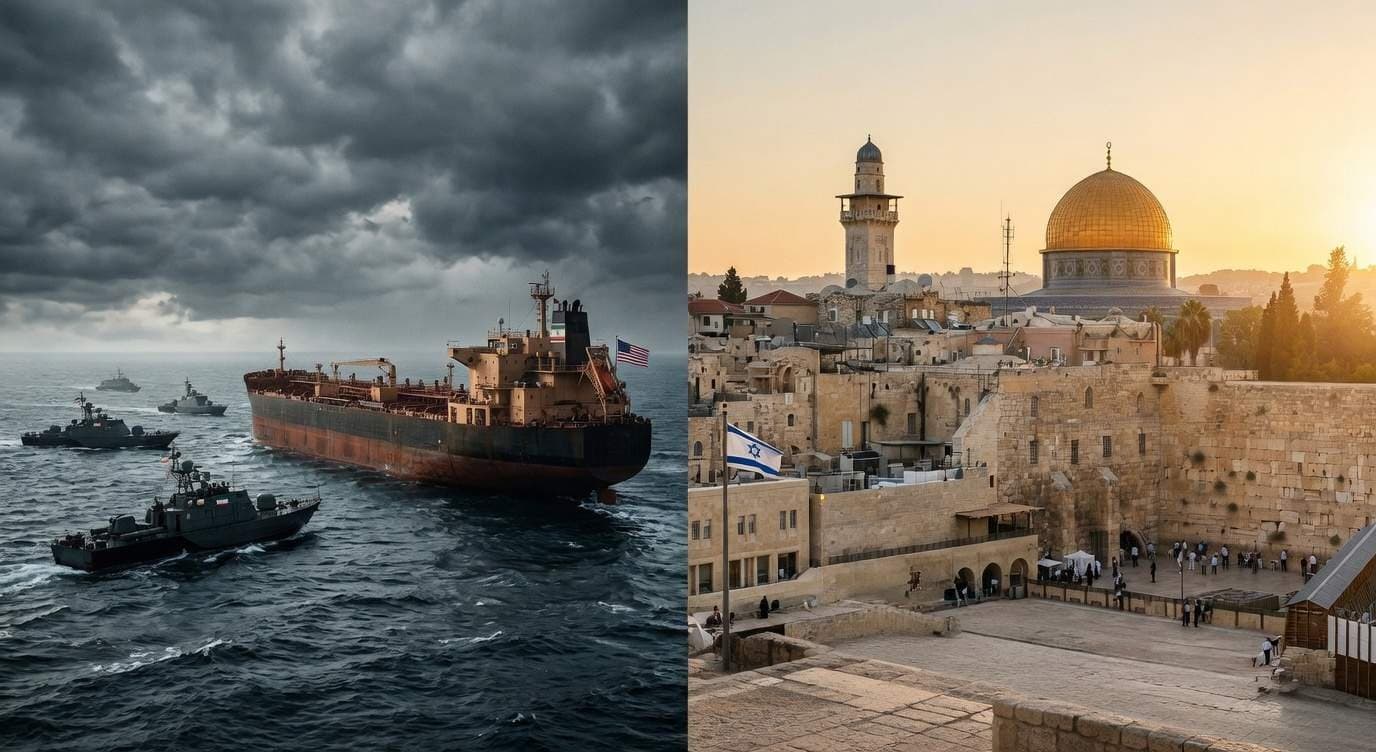
The Strait of Hormuz, a narrow waterway connecting the Persian Gulf to the Arabian Sea, has become the epicenter of global tension in March 2026. Amid the escalating US-Israel war with Iran, Tehran's decision to effectively close this vital artery—through which 20-30% of the world's oil and LNG flows—has triggered skyrocketing energy prices, diplomatic standoffs, and fears of a broader economic meltdown.

This crisis, now in its third week, underscores the fragility of global energy security and the asymmetric power of chokepoints in modern warfare.
Historical Background: Why the Strait of Hormuz Matters
The Strait of Hormuz has long been a flashpoint in Middle East geopolitics. Spanning just 21 miles at its narrowest, it serves as the sole maritime exit for oil exports from Saudi Arabia, the UAE, Kuwait, Iraq, and Iran itself. Historically, tensions here date back to the 1980s Iran-Iraq War, when both sides targeted tankers in the "Tanker War." More recently, in 2019 and 2020, Iran seized vessels amid US sanctions, hinting at its leverage.
In 2026, the context is the broader conflict that erupted on February 28, when US and Israeli forces launched over 900 strikes on Iranian targets following the assassination of Iran's Supreme Leader Ali Khamenei. Iran's response: declaring the strait "closed" on March 2, using threats, drone strikes, and selective permissions to paralyze traffic. This isn't a full physical blockade but an "insurance-driven shutdown"—attacks on a few ships led insurers to withdraw coverage, halting commercial transits.
Timeline of the 2026 Crisis: From Closure to Chaos
- February 28, 2026: US-Israel airstrikes begin, targeting Iranian missiles and defenses. Iran vows retaliation.
- March 2, 2026: Iran's IRGC broadcasts VHF warnings: No vessels permitted through Hormuz. Traffic drops 70% immediately, with 150 tankers stranded.
- March 4-5: Iran attacks tankers; US sinks 16 Iranian minelayers. Daily transits fall to 3-8 ships (vs. 50-60 normally).
- March 11-12: Oil prices breach $100/barrel. Iran allows Chinese and Indian vessels through selectively.
- March 13-15: Trump demands NATO and China send warships. Allies rebuff; Iran vows to keep strait closed as a "tool of pressure."
- March 16 (Current): No convoys launched; US deploys Marines. Iran's new leader, Mojtaba Khamenei, reiterates closure.
This timeline reveals Iran's strategy of "attrition warfare," using asymmetric tactics like speedboats, drones, and mines to deter without full confrontation.
Key Players and Their Perspectives
Iran's Stance: Selective Closure as Leverage
Under new Supreme Leader Mojtaba Khamenei, Iran frames the closure as defensive. Foreign Minister Abbas Araqchi stated it's only closed to "countries involved in the conflict," allowing "friends" like China to pass. IRGC advisors warn of burning any unauthorized ships, emphasizing revenge for strikes. Analysts note Iran exports 11.7 million barrels post-war, mostly to China, showing the blockade's precision.
US and Israel's View: An Existential Threat
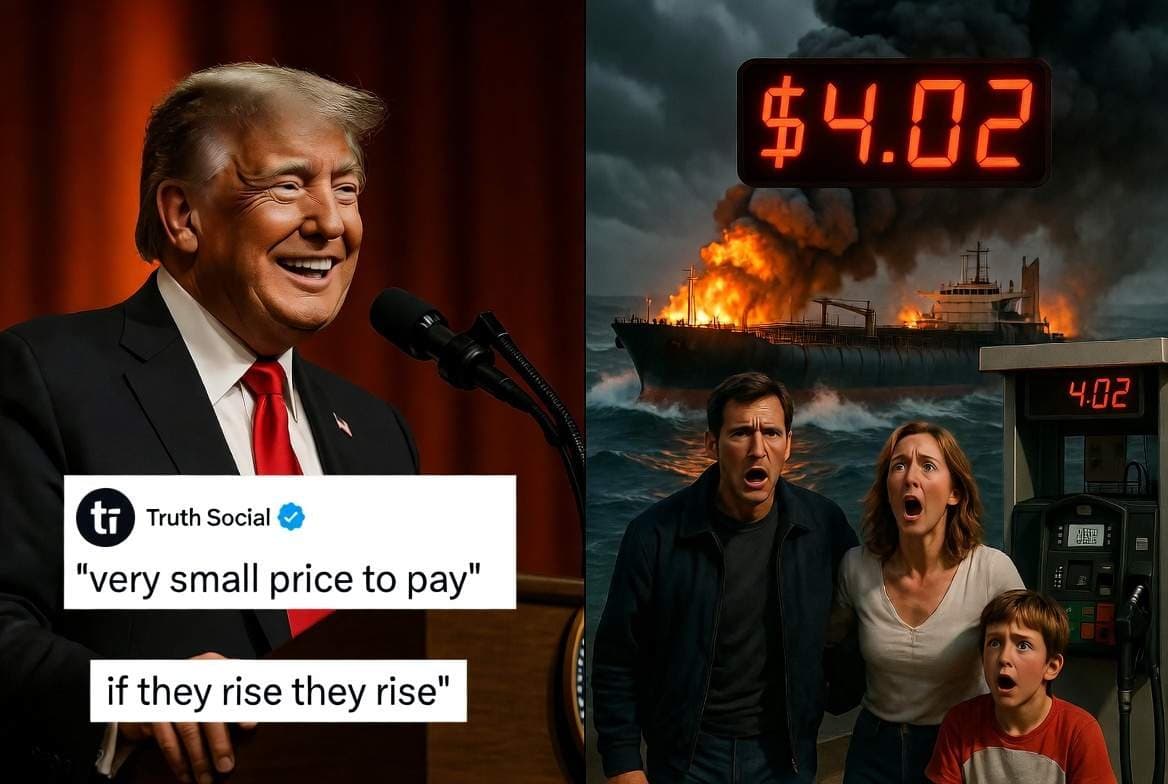
President Trump has called the closure a "global problem," urging allies to contribute warships or face consequences. He claims US strikes destroyed Iran's navy but admits escorts are "too dangerous." Israel, focused on Lebanon incursions, sees Hormuz as part of Iran's multi-front strategy.

Allies' Reluctance: "Not Our War"
NATO countries like France, the UK, and others have rejected military involvement, citing legality and risks. China condemns publicly but continues buying Iranian oil, hedging bets. Experts like Charles Kupchan note reluctance stems from questions over the war's legitimacy.
Neutral Voices: Global Observers
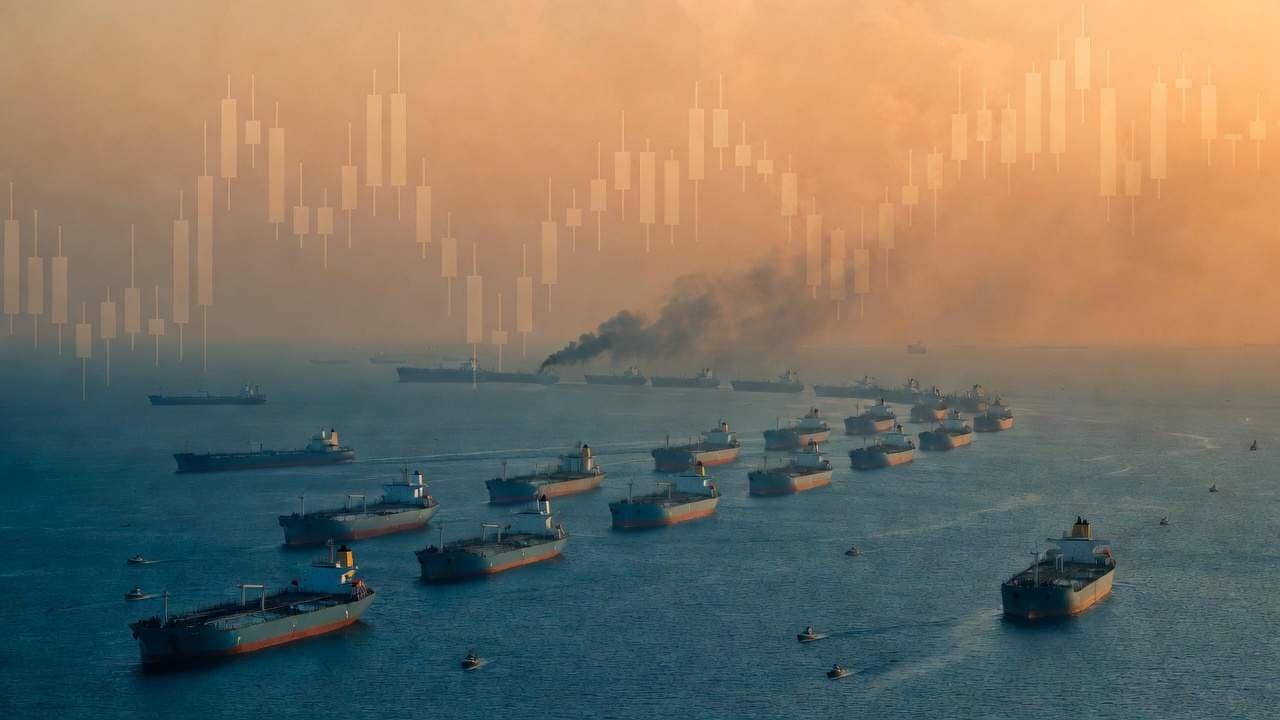

 Impact Area Details Projected Effects Oil Prices Surged 9% in days; $100+ barrier broken Gas prices up 20-30% globally; inflation spikes Supply Chains 1,000 vessels queued; rerouting via Africa adds weeks Fertilizer/food costs rise; Asia faces jet fuel shortages Economies Gulf SWFs repriced; US SPR releases (172M barrels) as band-aid Recession signals if closure >1 month Crypto/Markets BTC dips on risk-off; AI/data centers hit by power costs Miner squeeze in Gulf (10% hashrate)