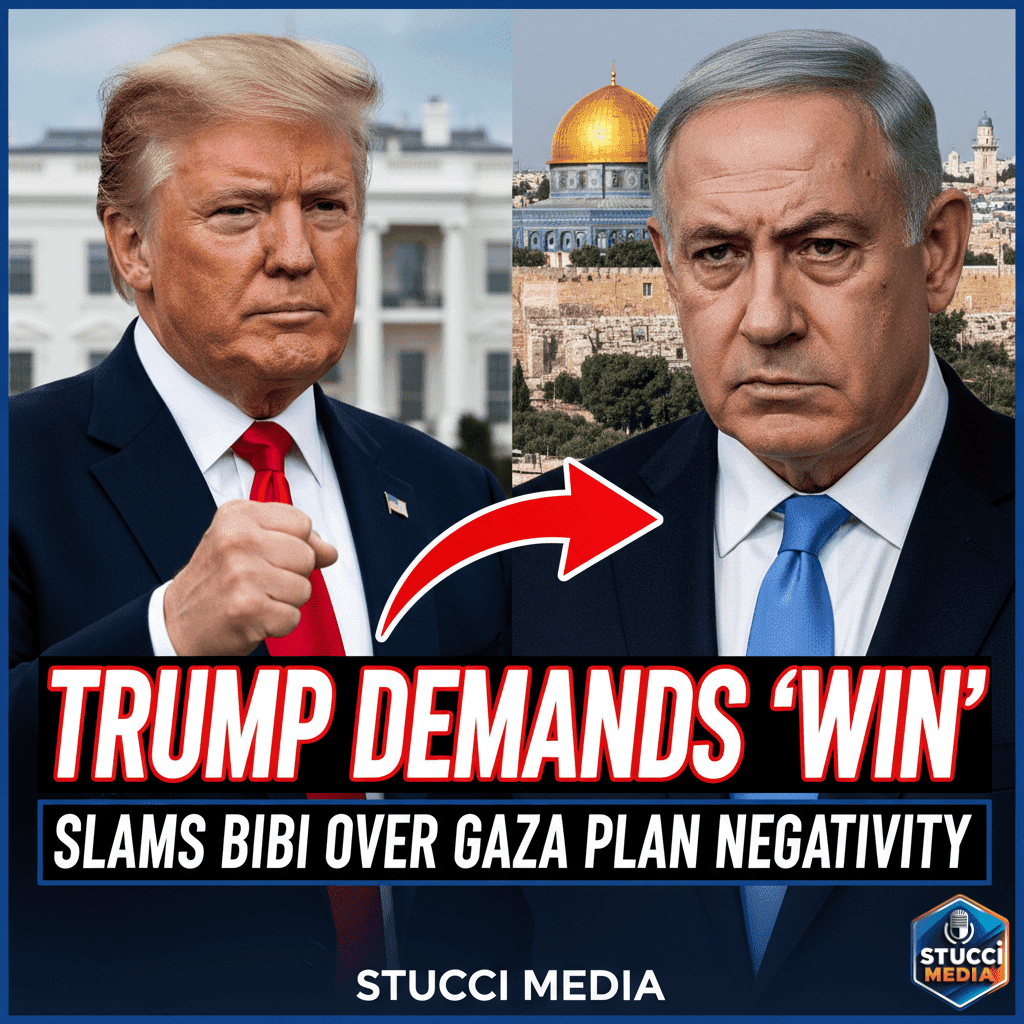
President Trump reportedly told P.M. Netanyahu to stop being “so negative,” demanding he accept the emerging Trump Gaza peace plan for a decisive win and hostage release.
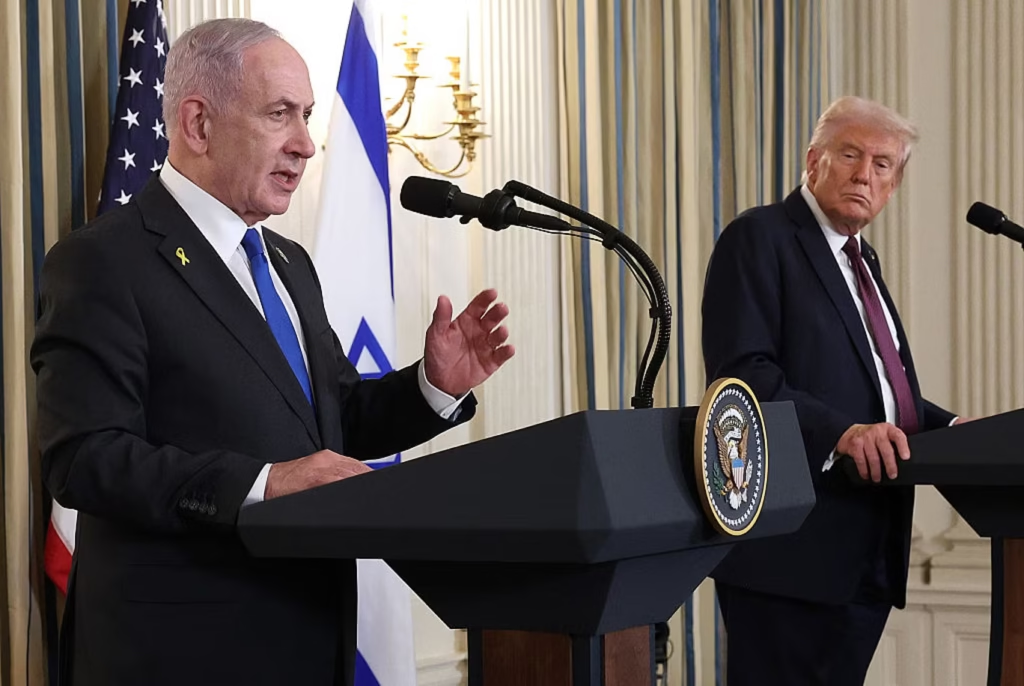
Trump Gaza peace plan: The diplomatic logjam in the Middle East has finally met its match: the raw, uncompromising force of American leadership. Reports confirm that President Donald Trump [Backlink: Neutral Biography/Official White House Archive], fed up with endless war and the diplomatic paralysis that plagues Washington and Jerusalem, personally intervened to push a major peace framework forward. He did this in his signature style—by reportedly dressing down an ally.
The target of this stunning presidential candor? None other than Israeli Prime Minister Benjamin Netanyahu.
The core of the issue is the nascent Trump Gaza peace plan, a U.S.-brokered proposal aiming to secure a permanent ceasefire and the immediate release of all remaining hostages held by Hamas. When the militant group signaled a partial acceptance of the framework, the reaction from the Israeli leader was reportedly cautious, even negative.
But that was not the response President Trump wanted to hear.
A U.S. official with knowledge of the private Friday call revealed a direct exchange. After Netanyahu expressed skepticism, claiming the acceptance was “nothing to celebrate,” the President reportedly fired back with unapologetic intensity. “I don’t know why you’re always so f***ing negative. This is a win. Take it.”
That single, unfiltered statement cuts through decades of stale foreign policy. It encapsulates the 'America First' doctrine applied to the most volatile region on earth. For the President, the singular focus is on winning and delivering a result: the safe return of every hostage and an end to the protracted conflict that drains global stability.
This is not a story about diplomatic niceties. It is a defining moment for the Trump Gaza peace plan and the Republican foreign policy establishment. For too long, American diplomacy in the Middle East has been governed by complexity, perpetual negotiations, and a reluctance to offend. This hesitation only empowered bad actors and prolonged suffering.
President Trump rejects this weakness. His message to the world is clear: When a path to peace—and crucially, the freedom of captives—emerges, you seize it. You don't dither. You don't allow cynicism to paralyze strategy.
Many on the right have long criticized the Biden administration for its perceived wishy-washy approach to the conflict. They saw an executive branch too concerned with managing optics and placating the radical left, rather than achieving definitive outcomes. Now, the tables have turned.
The Trump administration, through the tireless work of leaders like Secretary of State Marco Rubio is executing a strategy built on maximum pressure and rapid resolution. This decisive action is precisely what conservative voters expect. They are tired of incremental progress. They demand finality.
The framework itself is the most substantive push for de-escalation since the crisis began. It’s an American plan, and its structure reflects American priorities: results, accountability, and the immediate cessation of violence that threatens regional stability.
The core provisions are compelling and non-negotiable for the U.S.:
This final point, the disarmament, is where the conservative calculation becomes most strategic. While Hamas's political officials in Qatar may signal agreement on some fronts, the militant wing on the ground remains a threat. A true conservative peace does not merely pause conflict; it dismantles the capacity of the enemy to restart it.
The President’s team understands this fundamental truth. His hard-nosed approach is designed to corner Hamas. By forcing a global spotlight on their partial agreement, the administration pushes them toward a binary choice: deliver the hostages and disarm, or stand exposed as the sole obstacle to peace. This is maximum leverage applied expertly.
Representatives from the U.S., Israel, and mediating nations are set to meet in Cairo as these talks continue. This is not a symbolic gathering; it is a negotiation over logistics, speed, and finality. Secretary Rubio, who has been instrumental in the diplomatic effort, emphasized the urgency.
Rubio stated on a recent Sunday program, "This is the closest we've come to getting all of the hostages released." He added a crucial timeline: "This is not something that can drag out. We cannot be here three weeks from now, still discussing, you know, the logistics of how hostages are going to be released."
This insistence on speed is classic Trumpian efficiency. It prevents the process from becoming a bureaucratic quagmire, a tactic often used by adversaries to stall and regroup. The faster the deal is finalized, the safer the hostages are, and the sooner the region can stabilize. The momentum built around the Trump Gaza peace plan must be maintained.
We see a clear separation here: The political establishment in Jerusalem, represented by Netanyahu, may see pitfalls and political risk. The decisive leader in the White House, however, sees an opportunity to secure a victory for freedom and stability. It is a difference in philosophy—between managing a crisis and ending it.
The Prime Minister's reported "negativity" is understandable, but strategically flawed. His caution stems from internal political pressures and a deep-seated suspicion, earned over years, that Hamas cannot be trusted. Yet, President Trump’s argument is that the moment demands calculated risk, backed by American muscle.
The truth is, Israel's global standing has suffered due to the protracted nature of the conflict, a point recognized even by Secretary Rubio, who acknowledged the "impact that this has had on Israel's global standing." This is a hard pill to swallow, but essential to the conservative realist view: Perception matters, and dragging out the conflict only serves the propaganda machine of Israel's enemies.
This is why the President’s blunt advice is a lifeline. He is telling Netanyahu: Accept the win, secure the hostages, and use the leverage of this agreement to rebuild a stronger, more internationally defensible position.
This decisive moment is about ensuring the long-term safety of the Israeli people and stabilizing the volatile region. A conservative journalist must recognize that true strength sometimes means making a hard pivot when a strategic opportunity arises. The details of the Trump Gaza peace plan offer that opportunity.
The cycle of violence in the Middle East has been a predictable tragedy for decades. Short ceasefires followed by predictable renewal of attacks. The U.S. has poured billions into the region without achieving a lasting solution.
The Trump Gaza peace plan represents a radical departure from this failed paradigm. It is a peace through strength model. The agreement demands verifiable, rapid, and complete compliance. There is no room for ambiguity.
The conservative movement supports strength, but also efficiency. We cannot allow American resources or Israeli lives to be consumed in a war of attrition that yields no final victory. President Trump’s willingness to be the blunt instrument of peace, even if it means confronting an ally, is a testament to his commitment to his "America First" agenda. He is holding all parties accountable.
This approach is popular with the conservative base, which demands results over rhetoric. They want to see the hostages home and the conflict ended under terms favorable to the West. The swift finalization of this deal, as urged by the President, is the only way to achieve this.
The reports, initially broken by outlets like Axios underscore the President's personal involvement in brokering the deal. This is hands-on leadership. The world watches to see if Netanyahu will heed the stark, necessary advice from his most powerful ally.
If this agreement holds, it will be hailed as one of the greatest foreign policy achievements of the Trump presidency. It will demonstrate that decisive, unconventional leadership can succeed where cautious diplomacy failed. It proves that a conservative approach—demanding a win, setting tough deadlines, and using the power of the Oval Office without apology—is the path to peace.
The path ahead remains difficult. UN officials on the ground, such as those with Unicef in Southern Gaza, still report continuing heavy fire, showing that the details are still being ironed out. But the momentum is now irreversible.
The world needs a resolution. The hostages need their freedom. President Trump has laid down the law, and now the process must move with lightning speed. The era of diplomatic dithering is over. The era of the Trump Gaza peace plan is here.
The primary objective of the Trump Gaza peace plan is the immediate and complete release of all remaining Israeli and international hostages held in Gaza, paired with a permanent ceasefire and the complete disarmament of the Hamas militant wing.
According to reports from U.S. officials, the President told Netanyahu he was "so negative" because the Israeli P.M. expressed cynicism about Hamas's partial acceptance of the deal framework. Trump urged Netanyahu to view the movement as a crucial "win" and push the peace process forward rapidly.
The U.S.-brokered agreement requires Hamas to release all remaining hostages (living and deceased) within 72 hours of the final signing and to disarm its military wing completely. This crucial condition is the conservative safeguard against future aggression.
Secretary of State Marco Rubio and President Trump have emphasized extreme urgency. They hope for rapid agreement, pushing for the deal's logistics to be finalized within days, underscoring that the process "cannot be here three weeks from now."
Don't let the mainstream media skew the truth about global leadership. Subscribe to Stucci Media today for the unvarnished, conservative perspective on the Trump Gaza peace plan and the future of the Middle East. Get the news that challenges the narrative, delivered straight to your inbox.
Israeli settler violence in the West Bank hit 6 attacks per day in 2026. Even Israel's own military commanders are alarmed. Here's the full picture.

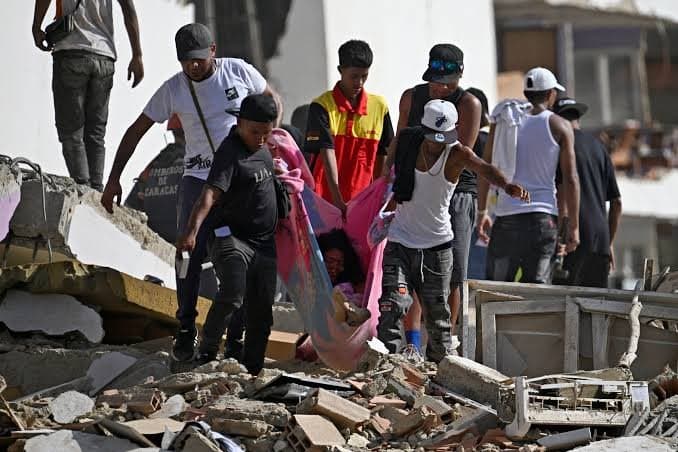
A 7.2 and 7.5 struck Venezuela 39 seconds apart on June 24. Here's what a doublet earthquake is, why Venezuela's crisis made it worse, and what aid is arriving.

China just banned exports to America's top rare earth companies. Here's what the US-China trade war rare earth escalation means for your national security.

The Trump Iran peace deal is finally forcing Tehran to surrender. Marco Rubio shares updates on how the US blockade is ending the Middle East chaos.

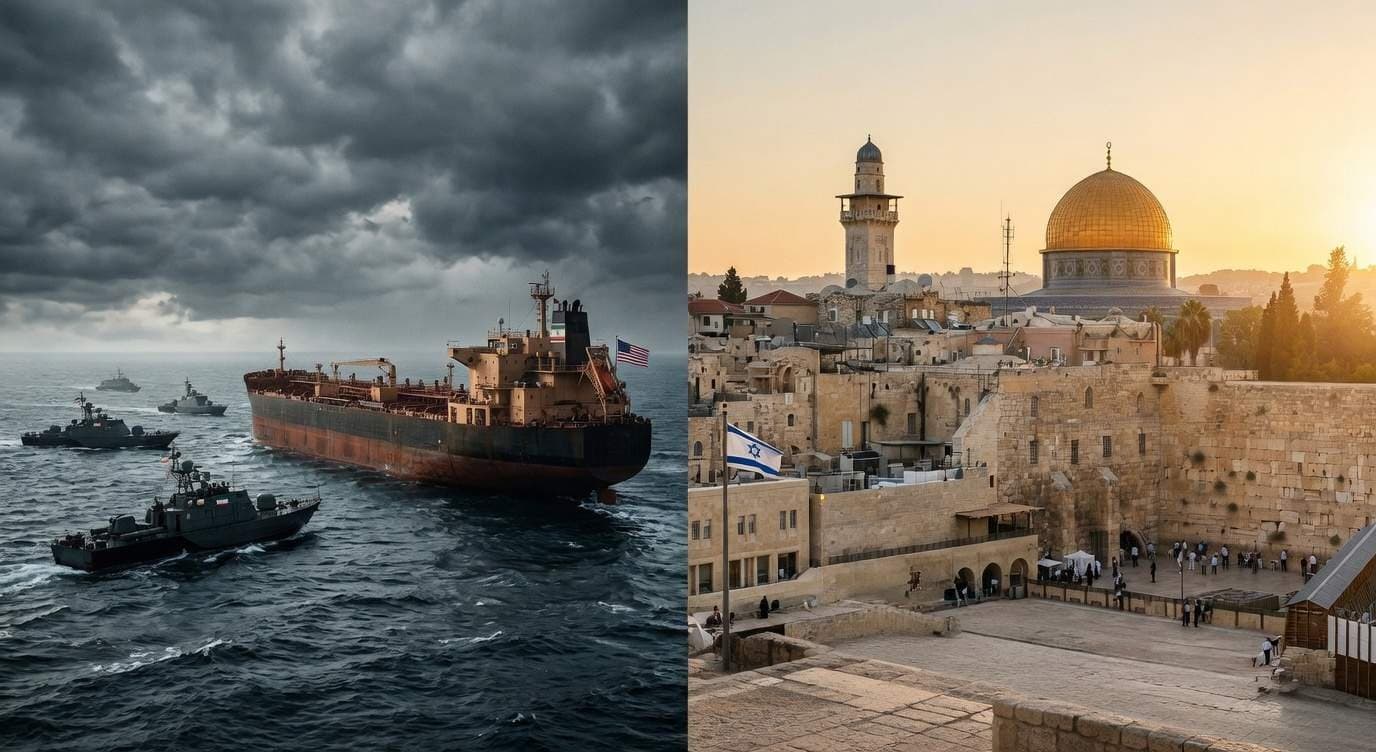
The fragile Iran-US ceasefire is crumbling fast after Iran re-closed the Strait of Hormuz in response to Israeli strikes in Lebanon, spiking oil prices near $98. Get the full conservative analysis on what this means for America.

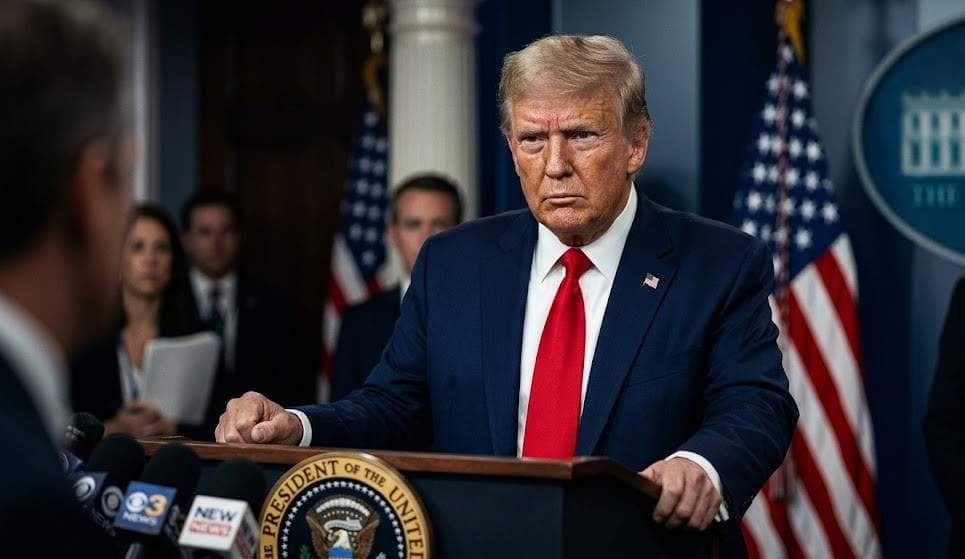
Trump calls rising gas prices a “very small price to pay” and says they’ll “drop very rapidly” after the Iran war. But with national averages now at $4.02 and diesel at $5.45, American families are feeling the real pain. The full breakdown of his quotes vs. your wallet.
No comments yet — be the first to weigh in.