US bombs Iran school: Children killed in Minab girls’ elementary strike on Feb 28, 2026. Outdated intel led to 175+ deaths—mostly kids. Trump blames Iran, UN condemns. War implications exposed.
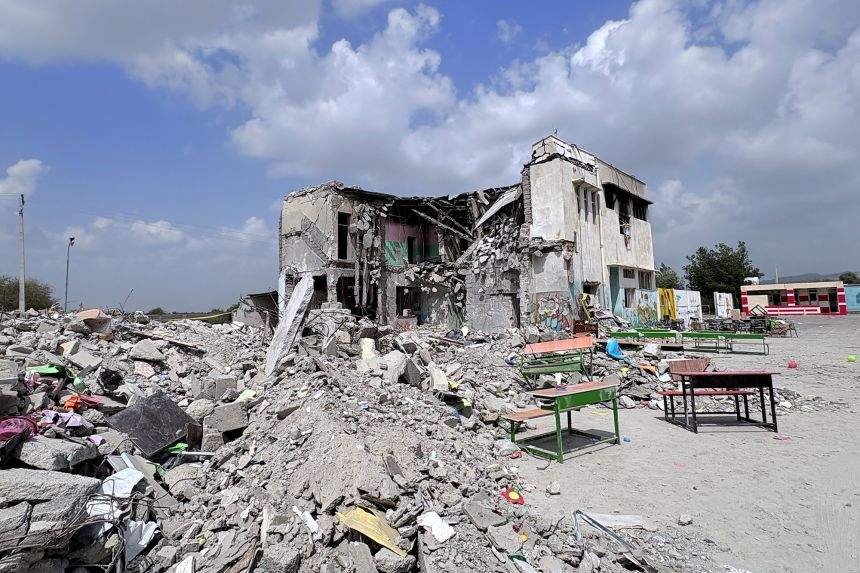
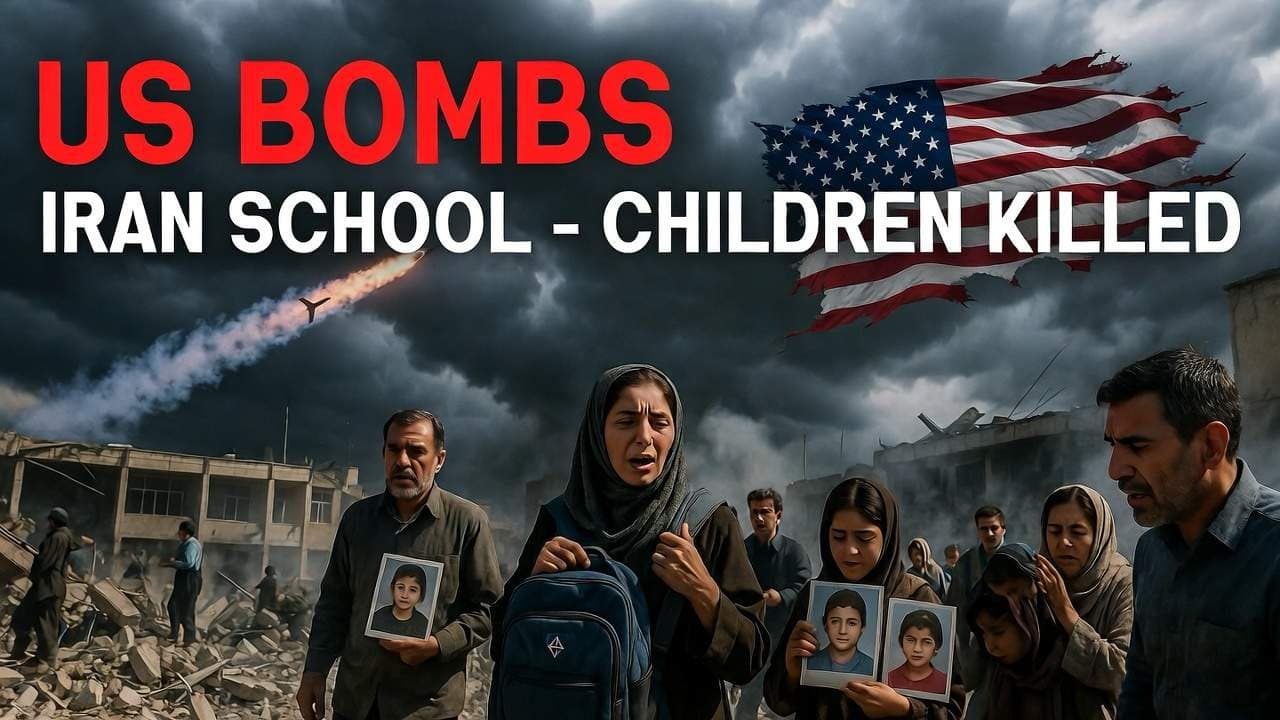
The heartbreaking reality of war hit home on February 28, 2026, when the US bombs Iran school children killed in a catastrophic missile strike that obliterated a girls’ elementary school in Minab, southern Iran. What was meant as a precision hit on a nearby military base turned into one of the deadliest civilian tragedies in recent US military history, claiming over 175 lives—mostly innocent schoolgirls aged 7 to 12.
This isn’t just another war statistic. It’s a gut-wrenching story of outdated intelligence, human error, and the devastating cost of conflict. As Florida families watch gas prices soar from the same war, this incident exposes the raw horrors spilling over. Stucci Media dives deep into every angle—from the strike details to global outrage, Trump’s controversial response, and what it means for America’s role in this escalating nightmare.
It was a typical Saturday morning at Shajarah Tayyebeh Elementary School in Minab, Hormozgan province—a modest two-story building buzzing with young girls in class. Then, chaos erupted. A US Tomahawk cruise missile slammed into the structure, reducing it to rubble and burying dozens under debris.
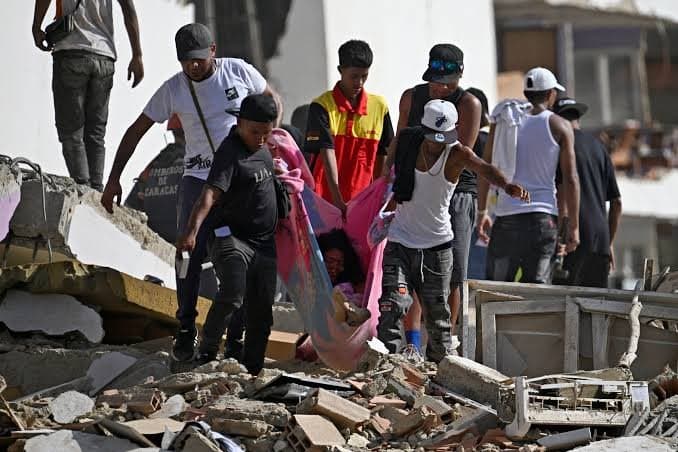
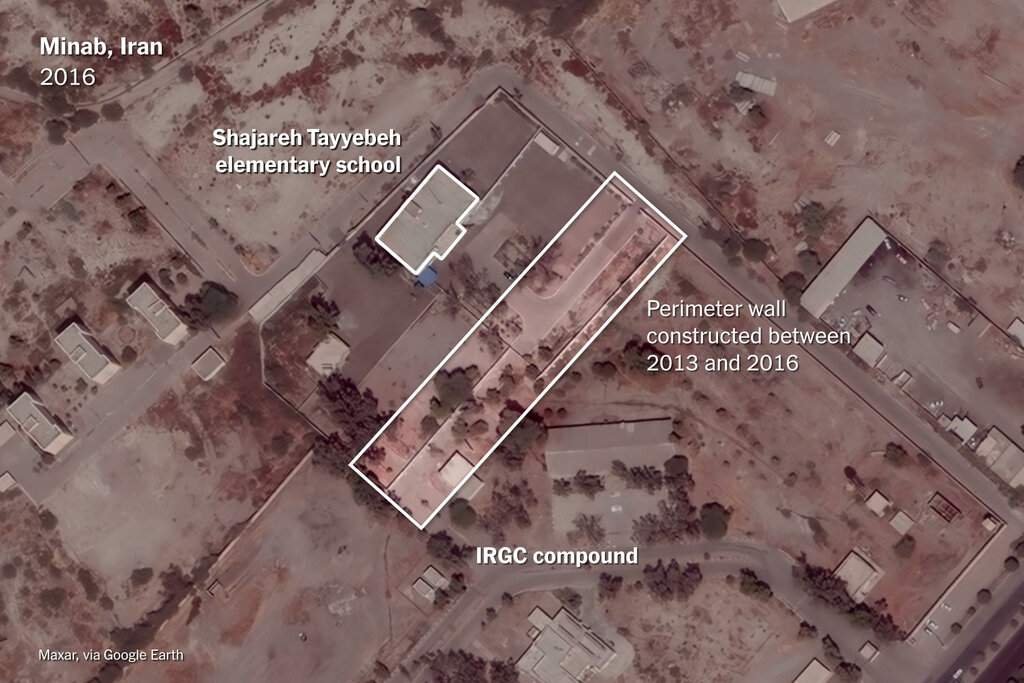
Iranian state media and health officials reported at least 168 children and 14 teachers killed instantly, with nearly 100 more injured—many critically. Eyewitnesses described harrowing scenes: Parents rushing to the site amid smoke and screams, pulling tiny bodies from the wreckage. Satellite images from Planet Labs revealed the blast’s extent, hitting not just the school but adjacent structures, far beyond initial reports.
The missile was fired during the opening salvo of the US-Israel war on Iran, targeting an adjacent Islamic Revolutionary Guard Corps (IRGC) naval base. But why the school? Preliminary US investigations point to a fatal flaw: Outdated Defense Intelligence Agency data. Planners at US Central Command used coordinates mistaking the school—formerly part of the base but walled off years ago—for a military target. As The New York Times detailed, this “targeting mistake” made the US the only force using Tomahawks in the conflict, confirming responsibility.

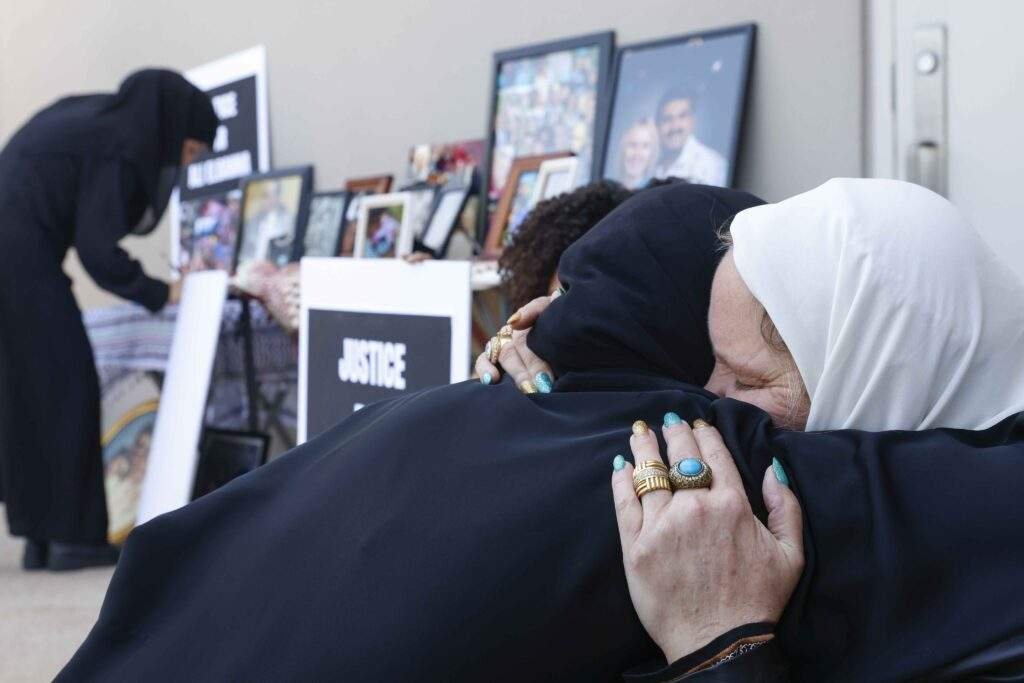
The victims weren’t soldiers—they were kids dreaming of futures cut short. Iranian reports, corroborated by UN experts, put the death toll at 150–175, with girls like 9-year-old Fatima and 11-year-old Zahra among the lost. Teachers perished shielding students, per survivor accounts shared with Amnesty International.
Families are shattered. One father told Iranian media: “My daughter was learning math—now she’s gone forever.” The psychological scars run deep, with Minab hospitals overwhelmed by burn victims and orphans. This mirrors past tragedies but stands out as one of the worst US bombs Iran school children killed incidents, rivaling historical civilian strikes in scale.


The Pentagon launched a full probe, with Defense Secretary Pete Hegseth stating, “We never target civilians,” as reported by CNN. Yet preliminary findings admit fault, blaming “outdated intel” without mentioning potential AI roles in targeting, as questioned by The Washington Post.
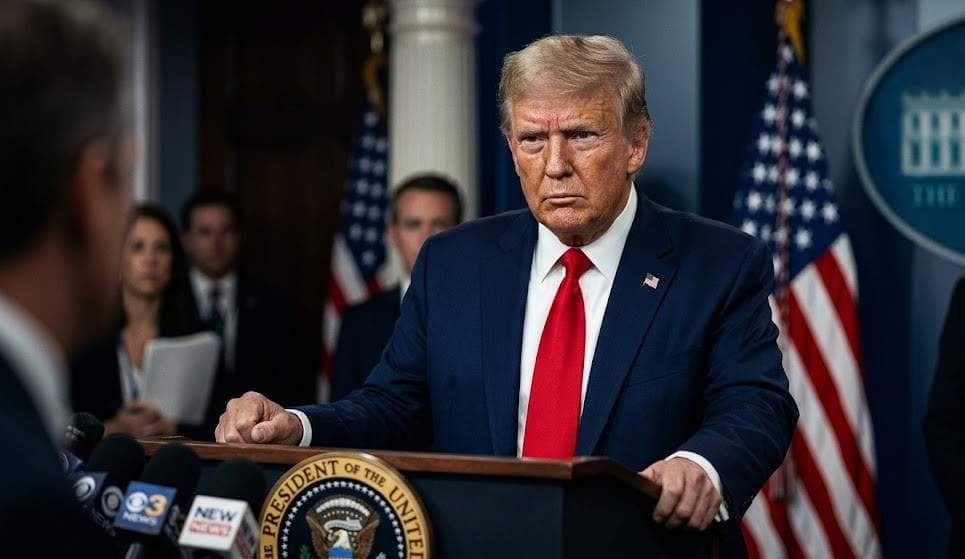
President Trump doubled down controversially, claiming without evidence that “Iran did it” due to their “inaccurate munitions,” per CBS News. This sparked backlash, with over 120 House Democrats demanding transparency. Military experts warn such errors erode US credibility, potentially fueling Iranian retaliation.
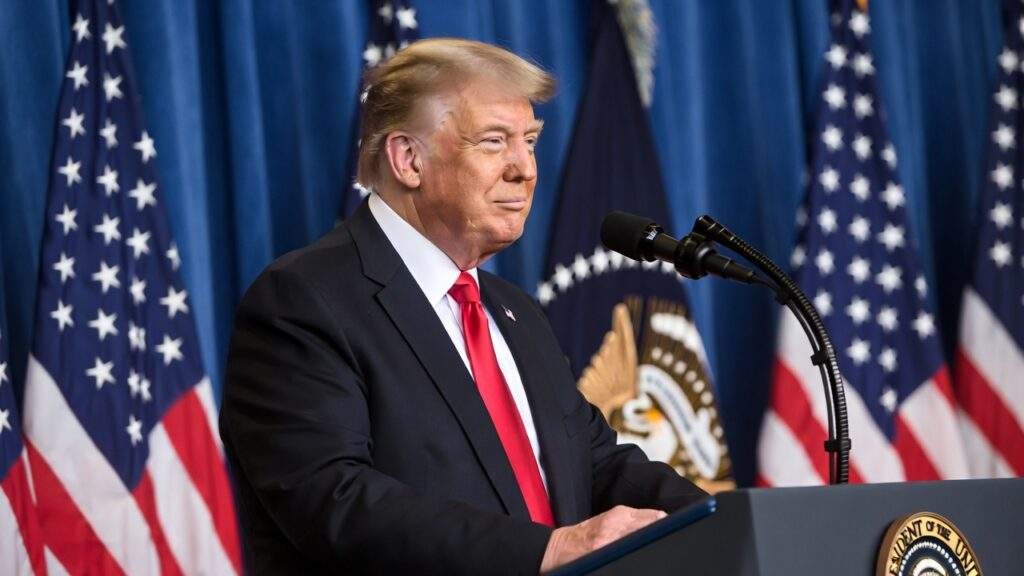
The world erupted in condemnation. UNESCO called it a “grave violation of humanitarian law,” stressing schools’ protected status under Geneva Conventions, via UN News. Human Rights Watch and Amnesty labeled it “potentially unlawful,” urging war crimes probes.
Iran’s UN ambassador blasted the US in Geneva, vowing revenge and sharing missile fragments as proof. Allies like Russia and China echoed calls for justice, while European leaders expressed horror. As The Guardian noted, this has “cast a shadow” on the war, amplifying anti-US protests globally.
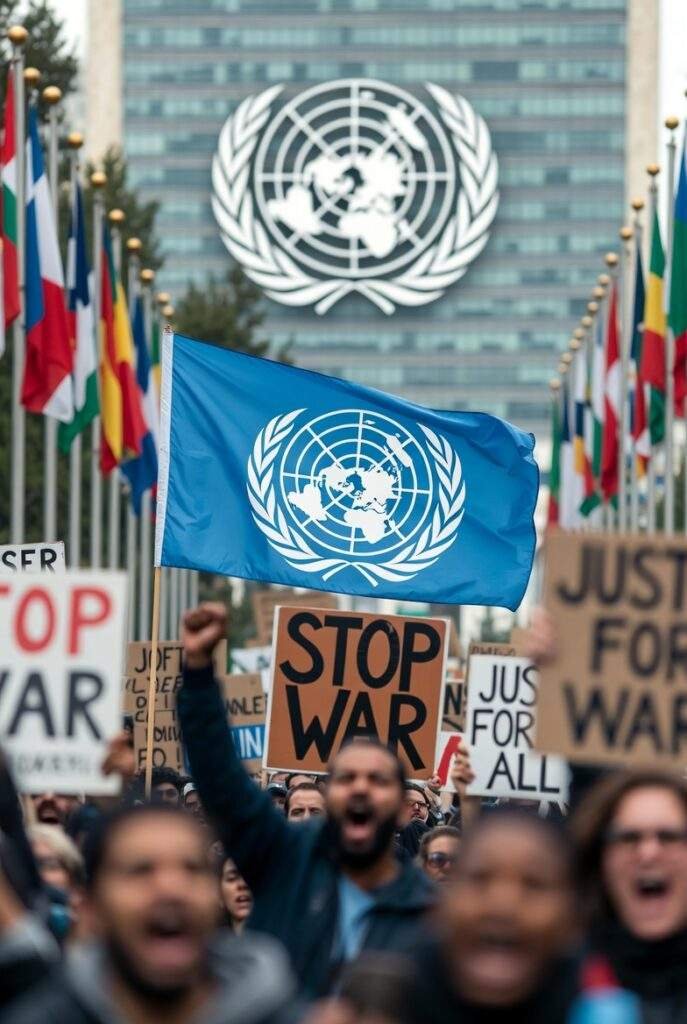
This strike isn’t isolated—it’s amplified the Iran war’s chaos. With Iran closing the Strait of Hormuz and retaliating via drones, experts fear more civilian hits. Domestically, it’s ignited debates: Is the US overrelying on flawed intel? Could AI targeting, hinted at in reports, be to blame?
In Florida, where Inverness residents feel war’s pinch through $3.70+ gas, this humanizes the conflict. Link it to your past coverage on Iran War Escalation for deeper insight. Polls show dipping US support for the war, with activists demanding troop pullouts.

Mainstream media like NPR and AP News have dissected satellite evidence showing the blast’s scope. X and Instagram buzz with videos, like WSJ’s reel on Hegseth’s denials.
Conspiracies swirl: Was it deliberate? Trump’s blame-shifting fuels them. Lessons? Revamp intel processes, as urged by Reuters. For America, it’s a stark reminder: Wars have unintended victims.
The Rocci Stucci Show breaks this down live with experts—subscribe for unfiltered truth.
What do you think? Worth the war? Share your city’s take and spread if outraged by US bombs Iran school children killed.
Stay vigilant, Florida. This war’s shadows reach us all.
Israeli settler violence in the West Bank hit 6 attacks per day in 2026. Even Israel's own military commanders are alarmed. Here's the full picture.

A 7.2 and 7.5 struck Venezuela 39 seconds apart on June 24. Here's what a doublet earthquake is, why Venezuela's crisis made it worse, and what aid is arriving.

China just banned exports to America's top rare earth companies. Here's what the US-China trade war rare earth escalation means for your national security.

The Trump Iran peace deal is finally forcing Tehran to surrender. Marco Rubio shares updates on how the US blockade is ending the Middle East chaos.

The fragile Iran-US ceasefire is crumbling fast after Iran re-closed the Strait of Hormuz in response to Israeli strikes in Lebanon, spiking oil prices near $98. Get the full conservative analysis on what this means for America.

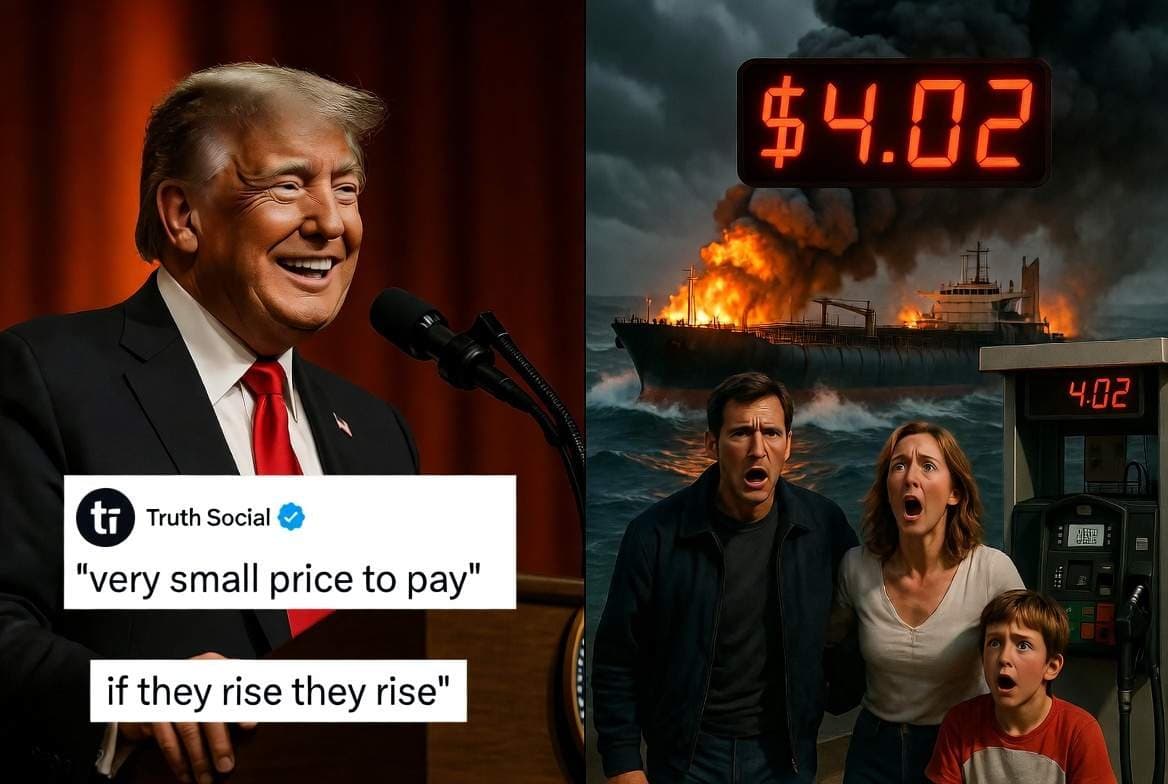
Trump calls rising gas prices a “very small price to pay” and says they’ll “drop very rapidly” after the Iran war. But with national averages now at $4.02 and diesel at $5.45, American families are feeling the real pain. The full breakdown of his quotes vs. your wallet.
No comments yet — be the first to weigh in.